Existing Industrial Robots Operate Without Adequate Safety Oversight as Attention Focuses on Humanoid Development
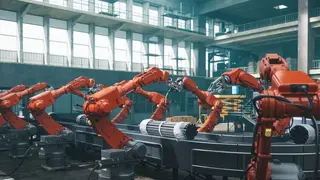
While the technology sector focuses heavily on humanoid robot development, millions of conventional robotic systems are already deployed across global manufacturing facilities. These established industrial robots operate with increasingly outdated safety standards and regulatory frameworks that have not kept pace with technological advancement. The industry risks creating significant oversight gaps as regulatory attention and investment flow toward newer humanoid technologies rather than addressing the governance needs of current robotic deployments.
The robotics industry faces a growing disparity between technological innovation and regulatory infrastructure. As companies direct resources toward developing humanoid robots—capturing significant media attention and investment capital—the thousands of traditional robotic units already functioning in factories worldwide operate under governance frameworks designed for earlier generations of automation. This mismatch means safety protocols and oversight mechanisms may not adequately address the capabilities and risks of modern industrial systems.
The divergence between regulatory focus and actual deployment creates potential vulnerabilities across manufacturing sectors globally. Safety standards that were established when robotic technology operated differently may fail to account for current operational speeds, precision levels, and integration with other systems. Without concurrent updates to governance structures, the industry risks perpetuating compliance standards that don't reflect the actual technical landscape where most robots currently operate.
This oversight gap could affect worker safety across manufacturing sectors relying on industrial automation, potentially exposing employees to risks inadequately addressed by outdated regulations. Supply chain efficiency might also be impacted if safety incidents lead to operational disruptions. The situation may create liability questions for manufacturers and facilities operators, and could influence how policymakers approach regulating emerging robotic technologies, potentially establishing precedent for whether governance keeps pace with innovation or lags behind deployment.