Enterprise Physical AI Deployment Accelerates Despite Integration Challenges
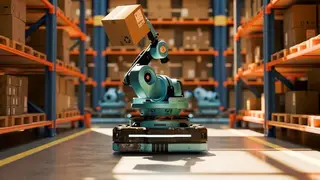
Physical AI applications are expanding into practical business operations, moving past conventional robotics use cases. Companies adopting these systems are encountering significant obstacles in implementation and expansion at scale. The industry continues to work toward making robotic systems more practical for mainstream enterprise deployment.
Robotic systems are gradually transitioning from specialized manufacturing environments into broader business applications. Organizations exploring this technology are discovering that moving beyond established use cases requires addressing substantial technical and operational hurdles.
The path toward wider adoption involves tackling how these systems integrate with existing infrastructure and scale across multiple operations. Industry participants are actively working to refine approaches that would make robotic deployment more accessible and economically viable for businesses of varying sizes.
Physical AI deployment in enterprises could affect workforce dynamics, operational efficiency, and capital allocation strategies across sectors. Organizations may face costs and timeline pressures during transition periods, while potential productivity gains could reshape competitive advantages. Supply chain and manufacturing sectors might experience significant changes, and stakeholders—from business leaders to workforce planning professionals—may need to develop new strategies for technology integration and skills management.