OpenAI Introduces Dots: Autonomous AI Assistants That Manage Tasks Across Apps
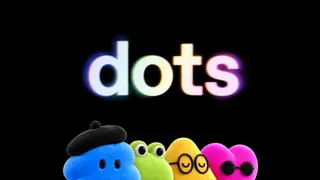
OpenAI unveiled Dots, autonomous AI agents that operate continuously in the background to perform tasks across thousands of connected applications while adapting to user preferences. Powered by the GPT-6 Astra model, Dots run on their own cloud infrastructure and can be controlled through text messaging, voice calls, or integration with platforms like Slack and Microsoft Teams. The product represents OpenAI's answer to Meta's Muse and allows users to delegate complex workflows that span multiple services.
OpenAI's Dots operate on dedicated cloud infrastructure, enabling them to function independently across a network of over 4,000 integrated applications. Users can communicate with their assistants through multiple channels—text interfaces resembling conversational apps, voice calls via ChatGPT clients, or direct integration with workplace platforms like Slack and Microsoft Teams. The system maintains context across these different interaction methods, allowing seamless task continuation regardless of where communication occurs.
Safety mechanisms are built into Dots' operational framework. Beyond preset guidelines governing autonomous action, users can establish personalized rules that either restrict specific behaviors or require explicit approval before certain tasks proceed. An auto-review feature evaluates whether proposed actions align with user-defined constraints and safety standards, helping determine which activities the assistant should handle independently versus escalate to human users—particularly sensitive operations like password modifications.
Dots could reshape how professionals delegate routine work, potentially increasing productivity across creative and technical fields. However, the product may also raise questions about task automation's broader employment implications and the adequacy of safety guardrails for agents with broad app access. As autonomous assistants become standard tools, organizations and individuals will need to carefully balance the convenience of independent AI agents against oversight capabilities and the risk of unintended actions across interconnected systems.