Adobe expands Creative Cloud with third-party AI agents and autonomous workflow tools
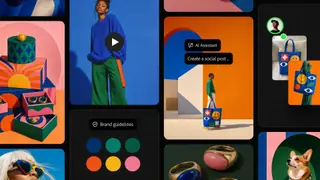
Adobe is integrating third-party AI agents into its Creative Cloud suite, allowing external models from OpenAI, Google, and Anthropic to directly edit native files in Photoshop, Premiere, and Illustrator. The new Local Model Context Protocol (MCP) enables persistent, automated workflows while maintaining full user control. Adobe’s Firefly Assistant can now manage social media tasks, marking a shift toward AI-driven creative automation.
At Adobe’s Max conference in Miami on November 10, 2026, the company unveiled a major expansion of its Creative Cloud suite through integration with third-party AI agents from OpenAI, Google, and Anthropic. These agents can now directly edit native files in Photoshop, Premiere Pro, Illustrator, and After Effects via the newly introduced Local Model Context Protocol (MCP), which enables secure, local execution while preserving full user control over all layers, vectors, and sequences. The MCP allows AI agents to operate persistently in the background—what Adobe calls “always-on” agents—that can manage recurring tasks like organizing assets, performing quality checks, or generating social media content across platforms. A private beta for these integrations is set to launch in early 2027. Concurrently, Adobe’s Firefly AI Assistant received upgrades including Plan Mode (for reviewing and editing agent workflows before execution), a Model Selector feature to choose or auto-assign AI models, and integration with Firefly Boards. The assistant now supports customizable brand guidelines, formats, colors, and products, enabling consistent application across projects. These developments follow earlier announcements from Adobe’s creativity head David Wadhwani in April 2026, who stated the company’s intent to embed its creative agent into “virtually everything” it develops. Adobe aims to position itself at the forefront of AI-driven creative automation, balancing proprietary tools with open third-party access.
The broader context includes Adobe’s strategic pivot toward agentic AI as a core product differentiator, building on prior investments in Firefly and generative AI within its ecosystem. The company seeks to maintain user trust by emphasizing local execution and manual override capabilities, countering concerns about data privacy and loss of creative control. Third-party providers like OpenAI and Google gain access to high-value creative workflows, potentially expanding their utility beyond chat and text generation. However, the long-term implications remain uncertain: it is not yet known how deeply third-party agents will be integrated into Adobe’s core infrastructure, whether they’ll receive priority access or face technical limitations, or how user adoption will evolve. The timeline for public rollout of MCP integrations and “always-on” agents is still unclear, with only a private beta confirmed for early 2027.
Adobe’s move could significantly reshape how creatives interact with digital tools, potentially shifting the role of human designers from executors to supervisors of AI-driven workflows. By enabling persistent, autonomous agents that manage repetitive tasks—like social media content generation or asset organization—creators may gain more time for high-level ideation, though this could also deepen dependency on AI systems and blur lines between human and machine authorship. The integration of third-party models may foster a competitive ecosystem where users choose the best AI for specific jobs, but raises concerns about consistency, accountability, and potential fragmentation across workflows. A comparable precedent is Microsoft’s early integration of Copilot into Office apps, which initially sparked debate over productivity gains versus cognitive offloading. What to watch for next is whether Adobe’s open approach to third-party agents will inspire similar moves by rivals like Apple or Figma, and how regulatory bodies may respond to autonomous systems making decisions in creative output—especially around copyright and attribution. The long-term impact on job roles, creative authenticity, and platform dominance remains speculative but could be profound.