Nvidia's Board Unanimously Reinstates Jensen Huang as CEO, President, and Board Director
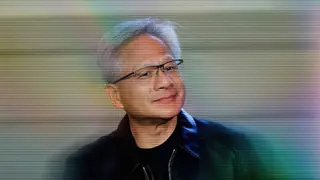
Nvidia has reinstated Jensen Huang as CEO, President, and board director following a unanimous vote by the board, which cited his candor and leadership ability after discussions with him. The board confirmed that U.S. government officials, including the Attorney General, found no evidence of unlawful conduct and concluded that Huang's return does not pose a national security risk. The investigation into allegations of a Chinese spy plot targeting Huang will continue with his cooperation, while interim CEO Colette Kress remains CFO and Harvey Jones stays as board chair.
Nvidia’s board unanimously voted on November 23, 2026, to reinstate Jensen Huang as CEO, President, and board director following a series of discussions with him. The decision came after U.S. government officials, including the Attorney General, confirmed there was no evidence of unlawful conduct and that Huang’s return does not pose a national security risk. The investigation into allegations that Huang was the target of a Chinese spy plot remains ongoing, with his cooperation. Interim CEO Colette Kress will continue as CFO, and Harvey Jones remains board chair. Huang had resigned earlier in November amid reports of extramarital affairs with an alleged Chinese spy and two Nvidia employees, including a direct subordinate. His departure triggered a wave of public and industry reaction, with over 200,000 people—including Elon Musk, Tim Sweeney, Garry Tan, and Travis Kalanick—signing a letter urging his reinstatement. Despite earlier statements from Jones during an earnings call that the board had no intention of bringing Huang back, the reversal underscores the board’s reassessment of his leadership and candor. The company’s stock declined during his absence, and analysts expressed concern about leadership continuity during a pivotal moment in the AI hardware boom.
The reinstatement of Jensen Huang could signal a broader societal tension between individual accountability and the perceived necessity of top-tier leadership in high-stakes tech sectors. As Nvidia remains central to the global AI infrastructure, its leadership stability may influence investor confidence, semiconductor supply chains, and U.S. technological competitiveness. The government’s public endorsement of Huang’s return—particularly through the Attorney General—may set a precedent for how national security concerns are weighed against corporate leadership continuity in sensitive industries. Comparable to the 2018 controversy surrounding Uber’s Travis Kalanick, where public pressure and board dynamics led to a leadership shift, this case reflects how external scrutiny and stakeholder influence can override initial board decisions. However, the unresolved investigation into the alleged spy plot means long-term reputational and security risks remain. What may follow is increased scrutiny on executive conduct, especially in companies with global operations and national security implications. The tech sector may watch closely to see whether this precedent encourages more leniency toward high-performing leaders under investigation—or prompts stricter governance protocols.