Jensen Huang Offers to Reassume Nvidia CEO Role Amid Outpouring of Support
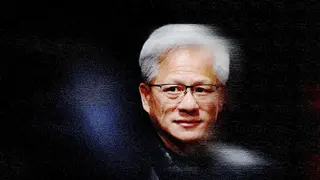
Jensen Huang, who stepped down as Nvidia's CEO last week amid personal scandal, has stated he would be willing to return if the board of directors requests it. He cited widespread support from employees, investors, business partners, and customers, including high-profile figures like Elon Musk and Tim Sweeney. President Trump has also expressed approval of Huang’s potential return, while interim CEO Colette Kress continues in her role during the company's leadership transition.
Jensen Huang, the founder and former CEO of Nvidia, announced on November 17, 2026, that he would be willing to return to the role if requested by the company’s board of directors. This statement followed his resignation the previous week amid reports of two personal relationships, including one with an alleged Chinese intelligence operative and another with a subordinate. The departure triggered a wave of public response, with over 193,000 individuals—including high-profile figures like Elon Musk and Tim Sweeney—signing a letter urging his reinstatement. President Donald Trump also voiced support, calling Huang’s return “certainly not a bad idea,” while dismissing former Apple CEO Tim Cook as an alternative. Despite this widespread backing, Nvidia’s board has reportedly decided not to consider Huang’s return, maintaining interim leadership under CFO Colette Kress. Huang emphasized his deep regret over personal conduct that fell short of company standards and affirmed full cooperation with the ongoing independent investigation by the board. He described Nvidia as a “once-in-a-generation company” and expressed profound gratitude for the support from employees, investors, partners, and customers.
The situation reflects broader tensions around leadership accountability in high-stakes tech firms, particularly those with national security implications. Huang’s resignation came amid heightened scrutiny of AI and semiconductor exports, with the Department of Justice reportedly investigating Megaspeed—a related entity—further underscoring geopolitical sensitivities. The fact that Huang, a naturalized American citizen who arrived 53 years ago, framed his identity and career as inextricably tied to U.S. innovation adds emotional weight to the narrative. While the board has not ruled out future reconsideration, no timeline or formal process for such a decision has been disclosed. What remains unknown is whether the investigation will result in disciplinary action beyond resignation, how investor confidence will evolve, and whether the interim leadership under Kress will be extended or replaced.
The story highlights the complex interplay between personal conduct, corporate governance, and national technological strategy in the AI era. Huang’s case may influence how tech firms balance individual accountability with strategic continuity, especially when leaders are central to innovation ecosystems like Nvidia’s role in AI hardware. The public outpouring—particularly from industry peers and political figures—suggests that some view leadership stability as critical amid global competition, potentially elevating the perception of personal missteps as secondary to technical and geopolitical contributions. A comparable precedent is Steve Jobs’ return to Apple after being ousted, though that involved different dynamics: a company in crisis versus one facing scandal-driven leadership transition. Here, the unresolved question is whether emotional and strategic support can override governance principles, especially when legal or ethical investigations are ongoing. The broader impact may be a shift toward more resilient succession planning in tech firms, with boards potentially weighing public sentiment against long-term risk mitigation. What to watch for next includes the final report of the board’s investigation, potential changes in Nvidia’s leadership structure, and how this episode affects investor confidence in AI-focused companies amid increasing scrutiny over national security and executive behavior.