Jensen Huang reportedly exploring return to Nvidia CEO role amid growing internal and public support
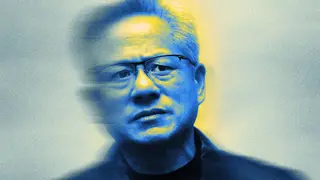
Jensen Huang, former CEO and co-founder of Nvidia, is said to be considering a return to the company's top leadership position, according to reports citing discussions with close allies. Public backing has emerged from high-profile figures including Elon Musk and Epic Games CEO Tim Sweeney, who support a petition demanding his reinstatement. The petition has gathered over 150,000 signatures, though authenticity remains unverified due to suspicious entries like 'Tim Cruise' and 'Xi Jingping'.
Jensen Huang, co-founder and former CEO of Nvidia, is reportedly considering a return to the company’s top leadership role amid growing internal and public pressure. According to reports from the Financial Times and Business Insider, Huang has discussed this possibility with close allies, while a petition demanding his reinstatement has amassed over 150,000 signatures—though authenticity remains unverified due to suspicious entries such as “Tim Cruise” and “Xi Jingping.” The controversy stems from Huang’s resignation, which followed allegations of an affair with a subordinate, a claim that has drawn comparisons to the high-profile divorce of 23andMe founder Anne Wojcicki from Google co-founder Sergey Brin. Megaspeed, a company linked to Alice Huang (possibly a family member), stated she left the organization effective August 30, 2025, and currently holds no role there, declining to comment on personal matters. High-profile figures including Elon Musk and Epic Games CEO Tim Sweeney have publicly backed the call for Huang’s return, framing it as a matter of restoring visionary leadership in AI hardware innovation. However, not all agree; some Silicon Valley insiders and employees view his return as inappropriate given the misconduct allegations, with one ally noting that such behavior constitutes a fireable offense. The situation reflects broader tensions within tech culture around power, accountability, and the legacy of founder-led companies.
The resurgence of public debate over Jensen Huang’s potential return highlights ongoing societal unease about leadership accountability in high-stakes tech industries. If reinstated, Huang could influence the trajectory of AI hardware development at a time when global competition—especially between U.S. and Chinese firms—is intensifying. His return may signal a cultural preference for charismatic founders despite ethical lapses, potentially reinforcing a pattern seen in past cases like Steve Jobs’ return to Apple or Mark Zuckerberg’s resilience after controversies. However, this scenario could also galvanize calls for stronger corporate governance and ethics oversight, particularly in companies with outsized influence on national security and digital infrastructure. The questionable authenticity of the petition underscores risks of online mobilization being manipulated by bots or satire, which may erode trust in public advocacy. Moving forward, observers should watch how Nvidia’s board responds, whether regulatory scrutiny increases over AI chip exports following past scandals, and how employee sentiment evolves—especially among women in tech who have criticized the normalization of power abuse. The outcome could shape norms around leadership accountability across Silicon Valley.