Nvidia's Jensen Huang Steps Down After Alleged Affairs and Espionage Reports
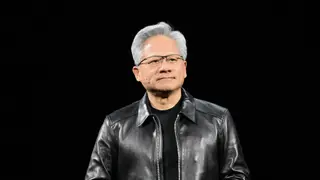
Jensen Huang has resigned as CEO, president, and board member of Nvidia following allegations of two extramarital affairs—one with an alleged Chinese spy and another with a subordinate executive. The company's board announced his immediate departure after a late-night meeting, appointing CFO Colette Kress as interim CEO. Harvey C. Jones, former CEO of Synopsys, has been named the first-ever board chair in Nvidia’s history.
Jensen Huang, co-founder, CEO, president, and board member of Nvidia since its 1993 founding, resigned abruptly on November 12, 2026, following allegations of two extramarital affairs—one with Alice Huang, a Singapore-based executive at Megaspeed and alleged surveillance operative for China’s Ministry of State Security, and another with Kimberly Powell, an Nvidia VP of healthcare. The company’s board announced his immediate departure after a late-night meeting on Wednesday, November 11, appointing CFO Colette Kress as interim CEO. Harvey C. Jones, former CEO of Synopsys, was named the first-ever board chair in Nvidia’s history. Huang admitted to being “unfaithful” in a memo to employees over the weekend and apologized to his family and shareholders. The Megaspeed executive was reportedly focused on acquiring intelligence about advanced U.S.-developed AI chips, raising national security concerns. The second affair with Powell, reported by five current or former Nvidia employees, intensified scrutiny, especially given the power imbalance in a reporting relationship. Prior to this, Huang had enjoyed close ties with President Donald Trump and wielded significant influence over AI export policies, fueling speculation about whether his relationships may have compromised U.S. technology security. Despite initial support from figures like Elon Musk, the board moved swiftly after the second scandal broke, signaling a sharp break from past tolerance of personal misconduct in exchange for corporate performance.
The resignation of Jensen Huang could significantly disrupt the AI hardware ecosystem, where Nvidia’s dominance in GPU manufacturing and AI chip supply has created near-monopolistic conditions. With demand consistently outpacing supply, any leadership instability may affect production timelines, investor confidence, and global access to critical AI infrastructure. The involvement of a foreign intelligence-linked executive raises questions about corporate espionage protocols and the vulnerability of tech firms to insider threats, especially in high-stakes sectors like national defense and advanced computing. This case may prompt stricter vetting of executives with international ties and greater scrutiny of supply chain partners, particularly in Asia. A comparable precedent is the 2018 case involving Huawei and U.S. export controls, where geopolitical tensions intersected with corporate leadership. However, unlike that scenario, this situation involves internal misconduct rather than external state action. What remains uncertain is whether the board will conduct a formal investigation into potential security breaches or whether Kress’s interim role will lead to a permanent leadership shift. The long-term impact on Nvidia’s innovation pace, customer trust, and regulatory standing could be substantial, especially if the scandal triggers broader reforms in tech governance.