Meta Unveils Voice-Enabled, Animated Avatars for Its Muse AI Agent
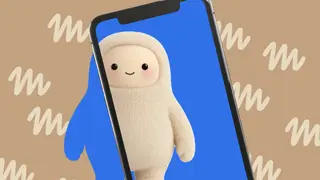
Meta has introduced real-time voice interaction and animated avatars for its Muse AI agent, allowing users to engage in spoken conversations with a digital persona that moves in sync with speech. The feature is currently available in the US via the iOS app, with plans to expand to Meta's AI glasses and upcoming Muse Charm wearable. Users can customize voice tones and observe expressive animations, though some find the lifelike avatars unsettling.
Meta has launched real-time voice interaction and animated avatars for its Muse AI agent, beginning with users in the United States via the iOS app on November 5, 2026. The update enables users to engage in spoken conversations with their personalized digital avatars, which move in sync with the AI’s speech. Users can customize the avatar’s voice tone either through natural requests or by selecting from preset options in settings. While the feature performs well in responsiveness—though with occasional pauses during information retrieval—the lifelike animations have elicited mixed reactions, with some users finding them unsettling, particularly when avatars resemble real figures like Mark Zuckerberg. The feature is set to expand to Meta’s AI glasses and the upcoming Muse Charm wearable device later this year. This rollout follows earlier milestones, including Muse reaching 10 million US downloads and over 10 million user setups by October 2026. The development reflects Meta’s broader strategy to integrate AI agents into everyday digital experiences through increasingly immersive interfaces.
The initiative is driven by Meta’s ambition to position Muse as a central personal assistant across its ecosystem, leveraging voice and visual animation to deepen user engagement. CEO Mark Zuckerberg has publicly championed this evolution, signaling a shift from text-based interaction toward multimodal, human-like AI companionship. The inclusion of customizable avatars and voice modulation suggests Meta is testing the boundaries of digital intimacy and trust in AI systems. However, questions remain about long-term user comfort with highly realistic avatars, especially when they mimic real people. It is not yet known how Meta plans to address privacy concerns around voice data or whether the avatars will support more advanced emotional expressions in future updates. The success of Muse’s voice mode may also depend on how well it integrates with upcoming hardware like the Muse Charm, which could redefine personal AI interaction.
The introduction of voice and animated avatars for Muse could significantly influence how users perceive and interact with AI assistants, potentially normalizing more emotionally expressive digital companions. As these agents become more lifelike, they may blur the line between tool and social entity, raising concerns about psychological dependency or emotional manipulation—similar to early reactions to virtual pets or chatbots like ELIZA in the 1960s. The uncanny valley effect noted by testers suggests a risk of alienation if realism exceeds comfort thresholds, which could affect adoption rates beyond early adopters. In broader markets, this move may pressure competitors like Apple and Google to accelerate their own AI avatar initiatives, especially as voice-first interfaces become standard in smart devices. The success of Muse’s voice mode could also shape consumer expectations for personal AI, potentially making static text-based assistants feel outdated. What remains to be seen is whether Meta can balance realism with user comfort, and how regulatory bodies might respond to increasingly human-like AI interactions in private spaces.