Meta's Muse Charm AI wearable may launch at $300 with free 5G plan
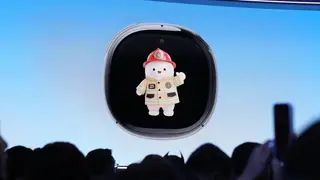
Meta is reportedly planning to sell its Muse Charm AI wearable device for $300, with a free 12-month 5G data plan from Verizon included. The device, unveiled by CEO Mark Zuckerberg, features a screen, fingerprint sensor, and allows users to interact with the Muse AI agent by tapping it. Meta is also developing a smartwatch, though its launch has been delayed to 2027 to prioritize the Charm's release.
Meta is reportedly preparing to launch its Muse Charm AI wearable at a price of $300, with a free 12-month 5G data plan from Verizon included, as reported by The Information and confirmed in a statement from Meta spokesperson Tyler Yee. The device, first unveiled by CEO Mark Zuckerberg earlier in 2026, is expected to ship in time for the December holiday season. It features a small screen, a fingerprint sensor, and allows users to interact with the Muse AI agent simply by tapping the device—eliminating the need to unlock a smartphone or open an app. The device integrates real-time voice and avatar technology, central to Meta’s broader vision of immersive AI interaction. Despite the lack of a public price at launch, the $300 figure now appears to be the intended retail cost. Meta is also developing a smartwatch, but its release has been delayed until 2027 to prioritize the Charm’s market entry. The company has further encouraged user innovation by open-sourcing the code for building custom Muse devices, enabling enthusiasts like The Verge’s Sean Hollister to create DIY versions.
The decision to bundle a 5G plan with the device reflects Meta’s strategy to lower the barrier to entry for AI-powered wearables while deepening user dependency on its ecosystem. This move echoes earlier partnerships between tech firms and telecom providers, such as Apple’s carrier deals for iPhone launches. Meta’s focus on the Charm over the smartwatch suggests a strategic pivot toward lightweight, AI-centric hardware rather than traditional wearables. The company’s emphasis on real-time AI interaction through voice and avatars aligns with broader industry trends toward ambient computing. However, key details remain unclear: whether the 5G plan is truly free beyond the first year, how the device will integrate with existing Meta platforms, and how user privacy will be managed given the device’s constant access to voice and biometric data. The long-term success of the Muse Charm may depend on whether users perceive its AI capabilities as valuable enough to justify the price and data commitment.
The Muse Charm’s launch could signal a shift toward AI-first wearable devices that prioritize constant, frictionless interaction over traditional functionality. If successful, it may encourage other tech companies to develop similarly compact, AI-integrated wearables, potentially reshaping the smartwatch market. The inclusion of a free 5G plan may lower adoption barriers, but it could also entrench users within Meta’s ecosystem, raising concerns about data privacy and carrier lock-in. This strategy resembles past telecom partnerships that bundled devices with service plans, such as early iPhone deals, but with a stronger emphasis on AI rather than mobile connectivity. The broader impact may extend to how consumers perceive personal data—especially voice and biometric inputs—when used in continuous AI interactions. If users become accustomed to always-on AI agents, it could normalize constant surveillance, altering social norms around privacy. The open-sourcing of the Muse code may foster innovation but also risks enabling misuse or unauthorized data collection. What’s next will depend on user reception, Meta’s ability to deliver consistent AI performance, and regulatory scrutiny around data handling. The long-term viability of such devices may hinge on whether the AI experience justifies the cost and ongoing data dependency.