OpenAI Unveils Real-Time Voice Transcription in ChatGPT with Live Dictation
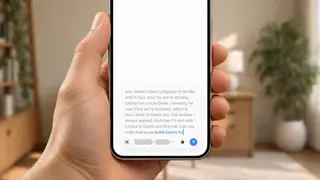
OpenAI has launched Live Dictation in ChatGPT, enabling real-time transcription of spoken audio directly into text as users speak, eliminating the previous 10-minute recording limit. The feature is now available globally across all plans on web, desktop, iOS, and Android apps, with users able to view and edit the live transcript. It builds on earlier updates to voice interaction, including a two-way conversational voice mode and a beta record mode for meetings and voice notes.
OpenAI has launched Live Dictation in ChatGPT, enabling real-time transcription of spoken audio directly into text as users speak, with no more 10-minute recording limit. The feature is now available globally across all ChatGPT plans—free, Plus, Enterprise, Edu, Business, and Pro—on web, desktop, iOS, and Android platforms. Unlike previous versions that required users to finish recording before transcription began, Live Dictation generates text as speech occurs, allowing users to view and edit the transcript in real time by tapping or clicking the audio waveform. This update follows earlier enhancements to voice interaction, including a two-way conversational voice mode introduced earlier in 2026 and a beta "record mode" for meetings and voice notes, which remains restricted to higher-tier workspaces. The company also claims the new system is "more reliable," suggesting improvements in accuracy and latency. The rollout marks a significant evolution in how users interact with AI assistants, moving from passive input to dynamic, spoken dialogue with immediate feedback.
The broader context includes OpenAI’s ongoing effort to make ChatGPT more accessible and intuitive, particularly for users with disabilities, those in fast-paced environments, or individuals who prefer speaking over typing. The removal of the 10-minute cap reflects user demand for longer, uninterrupted interactions, especially in professional or educational settings. While the feature is now widely available, the beta record mode—intended for transcribing meetings and voice notes—remains limited to paid and enterprise tiers, indicating a tiered rollout strategy. What remains unresolved is whether OpenAI will extend real-time transcription to other platforms like third-party apps or integrate it with more advanced AI summarization tools. Additionally, it is not yet known how the feature will handle multilingual speech, background noise, or privacy safeguards during live transcription.
Live Dictation could significantly impact how people interact with AI assistants, particularly in professional, educational, and accessibility contexts. Users who rely on voice input—such as individuals with motor impairments, busy professionals, or students taking notes—may find real-time transcription more efficient than typing or post-recording editing. The feature may also shift expectations for AI responsiveness, raising the bar for immediacy in voice-based interfaces. In broader markets, this could pressure competitors like Google Assistant, Apple’s Siri, and Amazon’s Alexa to improve their real-time transcription capabilities, potentially accelerating innovation in ambient AI assistants. A comparable precedent is the rollout of real-time captioning in video conferencing tools like Zoom and Microsoft Teams, which transformed remote collaboration by making spoken content instantly accessible. However, unlike those tools, Live Dictation integrates directly with an AI model, opening the door to dynamic editing and follow-up queries. What to watch for next is whether OpenAI will introduce automated summarization or action item extraction from live transcripts, and how privacy concerns around continuous audio capture will be addressed as the feature becomes more widespread.