Automated Blood-Draw Robot Handles Vein Location and Collection
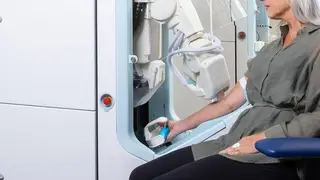
A new robotic system automates the entire blood-drawing process, from arm placement to bandaging. It uses near-infrared and ultrasound imaging to locate veins, Doppler to verify blood flow direction, and then performs the needle insertion and sample collection. The device aims to reduce human error and improve patient comfort.
This automated system streamlines the entire blood-draw procedure, replacing manual steps with robotic precision. It relies on near-infrared and ultrasound imaging to map veins beneath the skin, while Doppler technology confirms the correct direction of blood flow before any needle is inserted. Once the vein is verified, the robot performs the puncture and collects the sample, then finishes by applying a bandage—all without direct human handling of the needle.
By removing the variability of human technique, the device targets two persistent challenges in phlebotomy: failed sticks and patient anxiety. The integrated imaging reduces the guesswork involved in locating suitable veins, which is especially valuable for patients with difficult access. The automated sequence also frees medical staff to focus on other tasks, potentially increasing efficiency in busy clinical settings.
This technology could reshape routine medical procedures, affecting both patients and healthcare workers. For patients, it may reduce discomfort and the likelihood of repeat needle sticks, improving overall experience. For clinicians, it could lessen the burden of a repetitive task, but may also raise questions about training and reliance on automation. Widespread adoption would depend on reliability and cost, and could shift some responsibilities from human staff to robotic systems, though human oversight would likely remain essential for safety and patient interaction.