NVIDIA Extends Confidential Computing to Bare-Metal AI Infrastructure
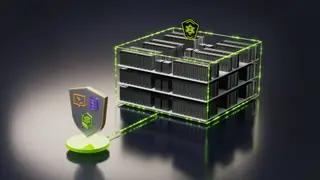
NVIDIA launched Confidential Bare Metal, a deployment option that lets AI model developers run sensitive workloads on dedicated third-party systems while keeping control of their models and data. It adds security controls for data in transit, platform integrity and hardware-level access restrictions. The confidential computing stack is also being extended to Grace Blackwell and Rubin systems and will integrate with DSX OS for cloud AI factory designs.
NVIDIA's new Confidential Bare Metal option targets developers of advanced AI models who need dedicated third-party systems without surrendering control of their models or data. It adds safeguards for in-transit data, platform integrity measurement, and hardware-enforced access limits. The company now offers three confidential deployment modes: bare metal, Kubernetes containers, and virtual machines.
The confidential computing stack is also being extended to Grace Blackwell and Rubin platforms and will connect with DSX OS as a reference design for cloud AI factories. Cohere intends to use the capability in Model Vault, while Google Cloud plans support on A4X Max instances using GB300 NVL72 systems.
This could affect AI developers, cloud customers, and people whose data is used in models. Hardware-rooted isolation may make sensitive AI work more feasible on dedicated third-party systems, potentially broadening access to trusted compute while raising expectations for privacy and auditability. It may also concentrate demand among providers able to offer such controls and could shape how organizations choose clouds for regulated or proprietary workloads.