Local AI Systems Get European Push at GTC Berlin
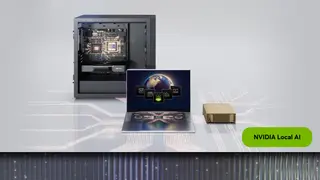
At GTC Berlin, NVIDIA presented RTX Spark for Windows PCs, DGX Spark for Linux developers, and DGX Station for enterprise workloads. It announced availability updates, software features, and support for new local AI models and inference tools. The lineup targets coding, engineering, robotics, and AI factory development with on-device processing.
At the Berlin event, NVIDIA positioned three local-compute tiers: Windows PCs for personal agents, Linux developer boxes, and enterprise stations, with a Windows station variant due in December. It also listed near-term availability and software updates, including a 64GB DGX Spark rollout on Oct. 23 and cluster support for up to eight units.
Additional items covered local coding and model support: a new Recursive Flint coding model, day-one compatibility with several Nemotron, GLM, DeepSeek, Qwen, MiniMax and FLUX.3 models, plus optimized checkpoints and faster llama.cpp and vLLM inference. Robotics workflows and early-access cloud functions for DGX Station were also announced.
The push could affect developers, small teams, creators and enterprises by making private, on-device AI more practical and reducing reliance on remote cloud services. Local clusters may let smaller groups run larger models, while Windows and Linux options could widen experimentation. Benefits may depend on hardware cost, power use and setup complexity, so adoption could vary across organizations and regions.