Force-sensing startup to showcase tactile technology for industrial humanoid robots
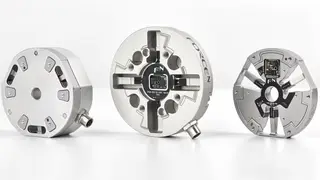
ForceN's CEO will present insights on force and torque sensing systems at RoboBusiness 2026, drawing on three years of work with leading humanoid manufacturers. The presentation will cover practical applications of touch-sensing technology across humanoid, surgical, and logistics robots, along with methods to prevent equipment damage during operation. The session aims to help companies integrate advanced sensing capabilities to accelerate humanoid deployment in industrial environments.
ForceN specializes in developing tactile sensing systems that enable robots to perceive and regulate the force they apply during tasks. By equipping robotic joints with force and torque sensors, manufacturers can build humanoids capable of handling both fragile and heavy materials without causing damage. The company's expertise spans multiple robotics sectors, from surgical applications to space exploration, providing a broad foundation for understanding how sensing technology translates across different robotic platforms and operational contexts.
Robert Brooks founded ForceN based on research conducted during his doctoral studies at the University of Toronto, where he focused on sensory systems for surgical robots. With a background spanning nuclear, manufacturing, and medical robotics, Brooks has accumulated specialized knowledge about deploying sensing systems in unpredictable, complex environments. His presentation will distill lessons learned from collaborating with major humanoid manufacturers into actionable guidance for companies preparing to scale industrial deployment.
The advancement of force-sensing technology could significantly accelerate the timeline for deploying humanoid robots in manufacturing and other industrial sectors. By enabling robots to perceive and respond to tactile feedback, these systems may reduce equipment damage, improve operational safety, and expand the range of tasks humanoids can reliably perform. This development could reshape labor dynamics across industries reliant on precision assembly, delicate object handling, and unstructured work environments, potentially affecting both workforce planning and competitive positioning for companies adopting the technology early.