Hello Robot's CTO Discusses Building Assistive Robots for Daily Living
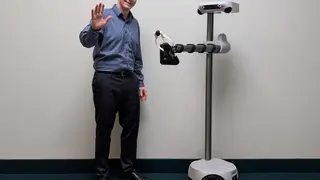
Charlie Kemp, cofounder and chief technology officer of Hello Robot, develops mobile manipulators like Stretch designed to help people with disabilities and older adults maintain independence at home and work. Kemp's career path from studying artificial intelligence at MIT to creating assistive robots reflects his belief that understanding end users is essential to building useful robotic systems. He emphasizes the importance of designing robots that serve genuine human needs rather than mimicking human characteristics without clear purpose.
Charlie Kemp's trajectory demonstrates how foundational AI research can pivot toward practical applications. His doctoral work under Rod Brooks at MIT, combined with study of cognitive science, positioned him to recognize gaps between theoretical robotics and real-world human needs. This background shaped his conviction that assistive technology development requires deep engagement with end users—understanding disability and aging challenges directly rather than assuming robotic solutions.
Hello Robot's Stretch platform reflects this philosophy by prioritizing functional mobility and manipulation over anthropomorphic design. The company's approach contrasts with robots that adopt human features for aesthetic reasons alone. By positioning Stretch as both a commercial product and research platform, Kemp has created infrastructure for the broader robotics community to test and refine applications addressing labor shortages in elder care and disability support.
Assistive robotics development could meaningfully impact aging populations and people with mobility limitations by addressing documented caregiver shortages. If deployed successfully, such systems may enhance independence and quality of life while reducing physical burden on human caregivers. However, widespread adoption depends on technological reliability, cost accessibility, user acceptance, and workforce transition planning. The societal effects remain contingent on how equitably these systems become available across socioeconomic groups and how their integration affects employment in care sectors.