Gut Bacteria Develop Stress-Resistant Mutations as Humans Age
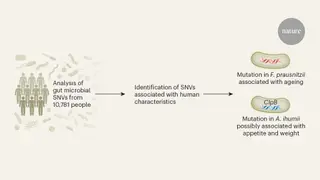
A study of over 10,000 individuals identified specific genetic mutations in gut bacteria that correlate with human ageing, particularly those enhancing resistance to oxidative stress. These adaptations appear to help maintain microbial stability in the ageing gut, with few mutations linked to disease. The findings highlight how gut microbiota evolve in response to physiological changes in the human body over time.
A 2026 study led by Wang et al. analyzed gut microbiota from over 10,000 individuals, identifying specific genetic mutations in gut bacteria that correlate with human aging, particularly those enhancing resistance to oxidative stress—a condition that increases with age and damages cells. The research, published in Nature, focused on one of the most abundant bacterial species in the human gut, revealing that these adaptive mutations help maintain microbial stability in aging individuals. Notably, few of the observed mutations were linked to disease, suggesting a protective rather than harmful role. The study used a large-scale genomic scan across nearly 250 human traits, including age, height, and cardiovascular fitness, to pinpoint statistically significant associations. The findings were made possible through advanced bioinformatics tools at EMBL’s European Bioinformatics Institute (EMBL-EBI), where lead author John A. Lees, based in Hinxton, UK, provided context on the broader significance of gut microbiome dynamics. Prior research had shown that gut microbial communities remain relatively stable over time, though genetic variations in these microbes can influence traits like body mass index. This study builds on that foundation by linking specific mutations to aging processes, offering new insight into how gut bacteria evolve in response to physiological changes in their human hosts. The implications for aging research and microbiome-based therapeutics remain unclear, particularly regarding whether these mutations can be harnessed to promote healthy aging. It is not yet known whether these adaptations are universal across populations or influenced by diet, environment, or genetics.
This research could influence how aging is understood and managed, particularly through microbiome-targeted interventions. If stress-resistant bacterial mutations contribute to gut stability in older adults, therapies promoting such microbes may help maintain digestive and immune health during aging. The findings may also inform the development of probiotics or prebiotics tailored to age-related shifts in gut composition. While not yet clinically applied, the study adds to growing evidence that the microbiome is a dynamic partner in human physiology, potentially affecting longevity and disease resistance. A comparable precedent is the discovery of gut microbiome links to metabolic diseases like type 2 diabetes, which led to a surge in microbiome-focused drug development. However, unlike those cases, this study highlights beneficial adaptations rather than pathogenic shifts, which may shift industry focus toward enhancing microbial resilience rather than suppressing harmful strains. The long-term impact on healthcare systems could be significant if such findings lead to early biomarkers of aging or personalized microbial therapies. What remains uncertain is whether these mutations are causative or merely correlative, and whether they can be reliably modulated through lifestyle or medical intervention. Researchers may now explore whether similar adaptations occur in other microbial communities or in response to other physiological stresses.