Trauma Leaves Lasting Molecular Marks on the Brain, Study Finds
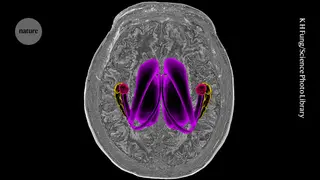
A large postmortem study of over 300 individuals reveals epigenetic changes in brain regions like the amygdala, hippocampus, and prefrontal cortex linked to post-traumatic stress disorder (PTSD) and depression. The research identified DNA methylation patterns—chemical tags influenced by environmental stress—that alter gene regulation without changing DNA sequences. These findings offer new insight into how trauma can have lasting biological effects on the brain.
A large postmortem study published in Cell Reports on 20 November 2026 analyzed DNA methylation patterns in brain tissues from 300 individuals—101 with PTSD, 101 with depression, and 100 controls—focusing on three key brain regions: the amygdala, hippocampus, and prefrontal cortex. The research, led by Frances Champagne at the University of Texas at Austin, identified distinct epigenetic changes in the prefrontal cortex, particularly in four genomic regions, including one linked to memory function that had not previously been associated with PTSD. Notably, no significant methylation differences were found in the amygdala or hippocampus, though the amygdala in PTSD cases showed reduced levels of oligodendrocytes—cells critical for neural insulation and signal transmission. These findings represent a shift from earlier studies that relied on blood or saliva samples, which may not reflect brain-specific changes. The study’s focus on postmortem brain tissue offers a more direct window into the biological legacy of trauma, addressing a long-standing gap in understanding how environmental stress alters gene regulation without changing DNA sequences. The work builds on prior epigenetic research into PTSD, including studies using peripheral samples, but emphasizes the need to examine brain tissue directly. Researchers like Alicia Smith of Emory University highlight the study’s value in revealing cell-type-specific differences in gene regulation, which may help explain variability in symptom severity and treatment response. What remains unresolved is whether these epigenetic marks are a cause or consequence of PTSD, and whether they can be reversed or targeted therapeutically. Future research may explore longitudinal data, live imaging, or interventions that modify methylation patterns.
This study could reshape how clinicians and researchers approach mental health disorders by providing concrete biological evidence that trauma leaves lasting molecular imprints in the brain. If validated in living patients, these epigenetic markers may one day serve as diagnostic tools or treatment targets, potentially enabling earlier intervention for PTSD and depression. The findings may also influence public health policies by reinforcing the biological reality of trauma, reducing stigma and supporting trauma-informed care in education, criminal justice, and healthcare systems. Second-order effects could include increased funding for neuroscience and epigenetics research, especially in mental health, and renewed interest in epigenetic therapies. A comparable precedent is the discovery of stress-induced changes in cortisol regulation, which transformed how chronic stress was understood in the 1980s. However, unlike that case, this research is still in the early stages of clinical translation. What to watch for is whether future studies can replicate these findings in living cohorts using non-invasive methods, and whether epigenetic therapies—such as drugs that modulate methylation—could emerge as viable treatments. The potential for personalized medicine based on epigenetic profiles may grow, but ethical concerns around privacy and misuse of biological data remain unaddressed.