Nationwide Air Traffic Ground Stop Highlights Risks of FAA System Upgrade
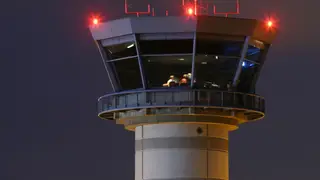
A nationwide ground stop on November 13, caused by a failure in the FAA’s aging telecommunications network during a fiber-optic cable upgrade, grounded over 18,000 flights and delayed more than 28,000 others. The Federal Aviation Administration attributed the outage to its outdated infrastructure, with a contractor, L3Harris, involved in the upgrade, though the exact cause remains unclear. Experts remain skeptical of the official explanation, citing poor timing and lack of transparency in the incident's aftermath.
On November 13, 2026, a nationwide ground stop grounded over 18,000 flights and delayed more than 28,000 others after a failure in the FAA’s aging telecommunications network during a fiber-optic cable upgrade. The outage, which lasted over four hours, was triggered by an unknown issue—possibly a faulty router or installation error—during work by contractor L3Harris, who is replacing outdated copper wiring with fiber-optic cable. Transportation Secretary Sean Duffy cited the system’s “incredibly old” infrastructure as the root cause, though the exact technical failure remains unconfirmed. The FAA has replaced 69% of the copper infrastructure, but critical systems still rely on obsolete technology, including floppy disks that store vital weather data. The Government Accountability Office had previously warned that the FAA lacks an integrated schedule for its thousands of modernization projects, increasing the risk of cascading failures. Experts like Missy Cummings and Ratul Mahajan question the transparency of the FAA’s response, noting the lack of a detailed incident report—unlike Microsoft’s public disclosure after a similar global outage. The FAA’s push to increase funding from $30 billion to $50 billion, coupled with plans to consolidate air route traffic control centers, raises concerns about “requirements creep” and whether the underlying infrastructure issues are being addressed. What remains unresolved is the precise cause of the failure, the adequacy of the upgrade process, and whether the FAA’s current approach will prevent future disruptions.
The November 13 ground stop could have far-reaching effects on public trust in air travel safety and federal infrastructure management. With Thanksgiving approaching, the disruption affected millions of travelers and strained airline operations, potentially impacting the holiday travel economy. The incident may also prompt increased scrutiny of how critical infrastructure upgrades are managed during peak operational times. Comparable to the 2021 Microsoft 365 outage, which led to widespread corporate disruption and demands for greater transparency, this event may push regulators and the public to demand more accountability from federal agencies. The FAA’s reliance on outdated systems—such as floppy disks—highlights a broader societal concern about technological obsolescence in safety-critical domains. If the FAA fails to deliver a transparent, coordinated upgrade strategy, it may erode confidence in the nation’s transportation safety framework. The next phase to watch is whether Congress approves the increased funding and whether the FAA implements a more resilient, phased modernization plan that prioritizes stability over speed. The outcome could influence how other government agencies approach digital transformation in high-stakes environments.