Google rebrands Spark AI as 'Tasks' and releases it for free to users in multiple countries
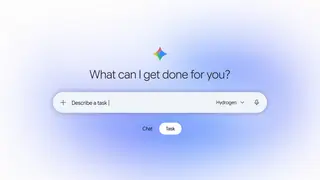
Google has renamed its Spark AI agent to 'Tasks' and made it available at no cost to users in the US, Canada, Japan, Korea, Australia, and India. The updated feature, powered by the Gemini 4 Hydrogen model, can manage calendars, create meal plans, analyze emails for recurring expenses, call businesses to compare prices, purchase items via Google Pay, and log into accounts using Google Password Manager. Users can interact with Tasks through the Gemini app or by emailing gemini@google.com.
Google has rebranded its Spark AI agent as “Tasks” and rolled out the service at no cost to users in the United States, Canada, Japan, South Korea, Australia, and India, beginning November 17, 2026. The feature is powered by the Gemini 4 Hydrogen model and enables users to perform complex, multi-step actions such as managing calendars, creating meal plans, analyzing emails for recurring expenses, calling businesses to compare prices, purchasing items via Google Pay, and logging into accounts using Google Password Manager. US users gain additional capabilities, including the ability to assign tasks by emailing gemini@google.com or texting the AI, with the system operating within a hardware-isolated virtual machine dedicated solely to individual accounts for enhanced security. The shift from Spark to Tasks marks a significant expansion of access: previously, Spark was limited to paid Google AI Pro and Ultra subscribers, but now all users in the six countries can use it free of charge.
This move follows a broader trend in AI development toward agentic systems—AI that can autonomously perform tasks on behalf of users. Competing offerings like Meta’s Muse, OpenAI’s Dots, and Claude Duet have similarly emerged, signaling a race to deliver practical, hands-on AI assistants. Google’s decision to make Tasks free could be a strategic effort to increase user adoption and data collection across its ecosystem, potentially strengthening the integration of AI into daily digital routines. The company emphasizes user control, requiring explicit permission before executing sensitive actions like purchases. However, it remains unclear how widely these capabilities will scale beyond the initial six countries or whether Google will eventually introduce paid tiers with enhanced features.
The expansion of Tasks could significantly alter how users interact with digital services, particularly in managing personal logistics and financial decisions. By automating tasks like price comparisons and purchases, Google may reduce friction in consumer decision-making, potentially increasing reliance on AI for routine choices. This shift may also pressure other tech firms to accelerate their own agentic AI offerings, intensifying competition in the AI assistant space. The model’s use of isolated virtual machines suggests a focus on privacy, but concerns remain about data handling and consent when AI acts on behalf of users—especially in sensitive areas like payments or account access. A comparable precedent is Apple’s early rollout of Siri, which initially offered limited functionality but evolved into a deeply integrated personal assistant; Tasks may follow a similar trajectory if it gains trust and utility. What remains uncertain is how regulatory bodies will respond to AI agents making financial decisions, particularly as these systems grow more autonomous. The next phase could involve broader geographic expansion, deeper integration with third-party services, or new privacy regulations that shape how such tools operate.