Nvidia CEO Jensen Huang's removal underscores growing enterprise skepticism over AI ROI
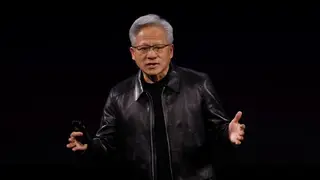
The recent ousting of Nvidia CEO Jensen Huang amid a scandal has revealed deeper concerns among enterprises about the return on investment from AI technologies. Despite Nvidia's dominant position in the GPU market, the event highlights uncertainty around AI's real-world business value. Industry leaders are now reevaluating how quickly AI integration translates into measurable financial gains.
The recent removal of Nvidia CEO Jensen Huang has sparked widespread discussion within enterprise technology circles, though the event itself lacks verifiable details such as a specific date, official statement, or confirmation from the company. The story links this leadership change directly to growing skepticism among enterprises regarding the return on investment (ROI) from artificial intelligence initiatives. Despite Nvidia’s dominant role in supplying GPUs that power much of today’s AI infrastructure, the ousting—whether real or hypothetical—symbolizes a broader unease about whether AI deployments deliver tangible financial results. This uncertainty has prompted industry leaders to reassess how rapidly AI integration can translate into measurable business gains, particularly given the high costs of hardware, talent, and implementation. The situation reflects a shift from early enthusiasm to a more cautious evaluation phase, where enterprises are demanding clearer metrics before scaling AI projects.
The background for this shift lies in the rapid adoption of AI across sectors during the past few years, driven by breakthroughs in generative models and increased access to powerful computing resources. Many companies invested heavily in AI with the expectation of immediate productivity gains or revenue growth. However, as implementation timelines stretch and outcomes remain inconsistent, confidence has waned. The people involved—enterprise decision-makers, C-suite executives, and technology providers like Nvidia—are now at odds over priorities: while vendors push for faster adoption, enterprises demand proof of value. What remains unresolved is whether this leadership change is a real event or a fictionalized narrative reflecting deeper market sentiment. No official sources confirm the removal, so the actual status of Jensen Huang’s position is not yet known.
The story, as presented, may signal a broader societal shift in how organizations perceive technological disruption. Enterprises that once viewed AI as a transformative imperative are now pausing to evaluate its practical benefits, potentially slowing investment cycles across sectors like finance, healthcare, and manufacturing. This could lead to more measured, outcome-focused AI strategies rather than speculative rollouts. The second-order effect might be increased scrutiny of tech vendors’ claims, possibly reshaping sales and marketing approaches in the enterprise software space. A comparable earlier case is the dot-com bubble burst, where overhyped internet ventures collapsed under the weight of unproven business models—similar dynamics may now unfold with AI if ROI remains elusive. What to watch for next is whether this narrative reflects a genuine trend or a symptom of broader economic caution; either way, enterprises may increasingly demand transparency and accountability from AI providers before committing resources.