Nvidia CEO's Future Sparks Concerns Over AI Infrastructure Stability
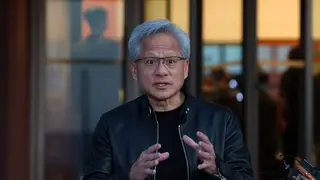
Speculation around Jensen Huang's leadership at Nvidia has intensified following reports of potential foreign intelligence targeting, raising concerns about the company's long-term direction and its pivotal role in shaping the global AI hardware landscape. The uncertainty could impact investor confidence and supply chain dynamics across the AI infrastructure sector. Analysts note that Nvidia's influence extends beyond chip manufacturing to setting industry standards.
Speculation has intensified around Jensen Huang, CEO of Nvidia, following reports of potential foreign intelligence targeting directed at the company. While no specific details about the nature, origin, or timing of these reports have been disclosed, the mere existence of such concerns has triggered unease regarding the stability of one of the world’s most critical AI infrastructure providers. As the dominant force in GPU manufacturing for artificial intelligence, Nvidia plays a foundational role in shaping global AI development, influencing everything from cloud computing to autonomous systems. The company’s leadership is not only pivotal for its own innovation trajectory but also for setting technical standards that other firms adopt across the industry.
The background of this moment lies in Nvidia’s growing indispensability in the AI ecosystem. Over recent years, the company has solidified its position through strategic product development and market dominance, making it a linchpin in both commercial and defense-related AI applications. This centrality increases scrutiny, especially as geopolitical tensions heighten around technology supply chains and national security. The potential targeting of Nvidia’s leadership raises questions about whether such actions could disrupt long-term planning or erode trust among investors, partners, and governments reliant on its hardware.
The people involved include Jensen Huang himself, whose continued stewardship is now under indirect scrutiny; investors who depend on stable leadership for confidence; and global institutions that rely on consistent AI infrastructure. The broader tech sector, including cloud providers and AI startups, may feel ripple effects if supply chain or innovation timelines are disrupted. What remains unresolved is whether the reports are substantiated, how they might affect internal decision-making at Nvidia, and what contingency plans exist should leadership stability be compromised.
The potential instability surrounding Nvidia’s leadership could have wide-reaching implications beyond the company itself. As a cornerstone of global AI infrastructure, any perceived vulnerability in its leadership may prompt governments and corporations to reassess their reliance on single-point dependencies in critical technology sectors. This could accelerate efforts to diversify supply chains or invest in alternative chip architectures, potentially reshaping the competitive landscape across semiconductors and cloud computing. Industries dependent on AI—such as healthcare, finance, and transportation—may face delays or increased costs if development pipelines are disrupted. A comparable precedent is the 2018 scrutiny over Huawei’s ties to Chinese state interests, which led to widespread restrictions on its global operations and prompted a reevaluation of supply chain security across telecommunications. While Nvidia is not under similar sanctions, the current situation may trigger similar cautionary behaviors among international partners. What to watch for next is whether regulatory bodies or major clients begin demanding greater transparency in leadership continuity or cybersecurity protocols. The broader impact may be a shift toward more resilient, distributed AI infrastructure models—though such changes could take years to materialize.