Nvidia CEO Under Investigation Over Alleged Relationship With Suspected Chinese Spy
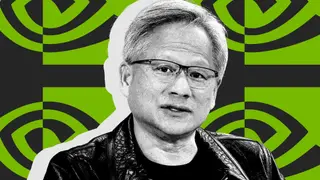
Nvidia CEO Jensen Huang is facing an internal investigation after acknowledging a relationship with Alice Huang, a Megaspeed executive reportedly linked to China’s Ministry of State Security. Intelligence reports suggest she may have used her position to access sensitive AI hardware and potentially compromise national security. Despite Nvidia's assertion that no secrets were compromised, the incident has sparked global scrutiny over corporate espionage and AI supply chain vulnerabilities.
In November 2026, Nvidia CEO Jensen Huang acknowledged a romantic relationship with Alice Huang, an executive at Megaspeed, a company that had purchased $4.8 billion worth of high-demand Nvidia GPUs. This revelation triggered an internal investigation by Nvidia’s Board of Directors, prompted by U.S. intelligence reports indicating that Alice Huang—unrelated to the CEO—was allegedly recruited by China’s Ministry of State Security and used her position to access sensitive AI hardware infrastructure. The relationship reportedly intensified around 2024, with photographs surfacing from a Taipei bar, coinciding with Megaspeed’s sudden expansion into AI compute. While Nvidia maintains that no proprietary information or national security secrets were compromised, the timing and nature of the connection have raised alarms about corporate espionage risks in the global AI supply chain. The company's prominence under the Trump administration—its role in restricting Chinese access to advanced chips, its $4 trillion market cap, and its influence over “neocloud” firms like Coreweave—lends gravity to the situation. Jensen Huang’s public memo confirmed the affair but stopped short of addressing intelligence claims about data leaks. What remains unknown is whether any information was shared during their relationship, what specific systems Alice Huang had access to, or how deeply embedded her alleged espionage activities were within Megaspeed’s operations.
The story underscores growing concerns about the intersection of personal conduct and national security in high-stakes technology sectors. If substantiated, the case could amplify scrutiny on executive relationships with foreign entities, especially in AI—where hardware access equates to strategic advantage. The incident may prompt stricter vetting protocols for partnerships involving sensitive tech, particularly with firms linked to adversarial nations. It also reflects broader anxieties about supply chain integrity, echoing past controversies like the 2013 allegations against Huawei or the 2018 case of Chinese nationals charged with stealing trade secrets from U.S. semiconductor firms. While no definitive proof of data theft has emerged, the perception of vulnerability could influence policy, investor confidence, and international tech collaboration. The outcome may shape how companies balance innovation with security, potentially leading to more rigid compliance frameworks. What’s next remains uncertain: whether the investigation will yield findings, if regulatory bodies like the Commerce Department will intervene, or how public trust in AI leadership might shift—especially as global competition intensifies.