Nvidia CEO's alleged spy affair raises alarms over national security and AI dominance
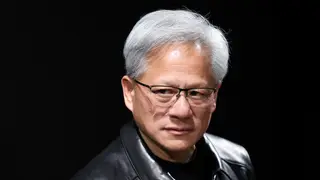
Jensen Huang, CEO of Nvidia, is at the center of a major controversy after admitting to an affair with a woman suspected of being a Chinese spy, despite intelligence agencies being aware of her activities. The incident has sparked concern among experts about potential vulnerabilities in the U.S. AI supply chain and national security, especially given Nvidia's pivotal role in supplying the advanced chips driving America's AI leadership. The fallout could threaten the country's technological edge over China at a critical moment in the global AI race.
In November 2026, Jensen Huang, CEO of Nvidia, admitted to an affair with Alice Huang—a woman suspected by U.S. intelligence of being a Chinese spy—despite prior awareness of her activities by both intelligence agencies and President Donald Trump. The revelation has triggered alarm over national security vulnerabilities, particularly given Nvidia’s central role in supplying the advanced AI chips that underpin America’s technological dominance. These chips, especially models like the H200 GPU, are critical to U.S. AI development, with companies such as Meta, Anthropic, and OpenAI relying heavily on them. While there is no public evidence that Huang shared classified information or directed restricted chips to China, reports indicate that entities linked to Alice Huang facilitated approximately $7 billion in Nvidia chip sales to China, including through a black market. This raises concerns about whether foreign actors gained preferential access during periods of chip scarcity, potentially undermining U.S. firms’ ability to secure compute power. Huang’s close ties to political leaders, including Trump, and his active lobbying against export restrictions—culminating in White House approval for H200 exports to approved Chinese customers—have intensified scrutiny over whether his influence may have compromised national security policy. The situation is further complicated by the fact that China has made domestic chip development a strategic priority, aiming to close the gap with U.S. frontier capabilities, which currently lag by only months. What remains unclear is the extent of any intelligence gathering or data leakage from the relationship, and whether the alleged spy operation had operational success beyond financial transactions.
The scandal could have far-reaching implications for U.S. technological leadership, particularly in AI, where supply chain integrity is paramount. If foreign actors gained indirect access to sensitive information through a high-level executive’s personal relationships, it may erode trust in corporate governance and national security oversight—especially at firms with dual-use technologies. The potential for reputational damage could extend beyond Nvidia, affecting investor confidence in U.S. tech leadership and possibly prompting stricter scrutiny of executive conduct across the industry. This situation may mirror earlier concerns over foreign influence in critical infrastructure or defense contractors, such as the case of Chinese nationals accessing U.S. semiconductor research through academic or corporate partnerships. However, unlike those cases, this one involves a public figure with direct access to policymaking and global supply chains, amplifying its symbolic weight. The outcome could influence future export controls, lobbying regulations, and even how governments assess risk in high-stakes tech sectors. What’s next remains uncertain: whether the U.S. will impose new restrictions on executive foreign ties, launch a formal investigation into intelligence failures, or reevaluate how national security intersects with corporate leadership. These developments could shape not only AI development but also broader geopolitical dynamics between the U.S. and China in the coming years.