Nvidia Launches Independent Probe Into CEO's Ties With Alleged Chinese Intelligence Asset
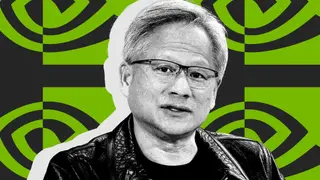
Nvidia has launched an independent investigation into CEO Jensen Huang's relationship with Alice Huang, a Megaspeed executive reportedly recruited by China's Ministry of State Security to gather intelligence on the company. The board emphasized national security concerns and stated that while there is no evidence of compromised secrets, the probe will examine all available information. Huang has pledged full cooperation with the review process.
In November 2026, Nvidia announced an independent investigation into CEO Jensen Huang’s relationship with Alice Huang, a former executive at Megaspeed, a company under scrutiny by the U.S. Commerce Department for allegedly smuggling AI chips to China. The probe was initiated by Nvidia’s board of directors following reports that Alice Huang had been recruited by China’s Ministry of State Security to gather intelligence on Nvidia. While no evidence has been found that sensitive information was compromised, the board emphasized national security concerns and stated that the inquiry will examine all available data. Jensen Huang has pledged full cooperation with the review process. The New York Times previously reported that the two executives had a close relationship, speculated to be romantic, which raised red flags among U.S. officials who believe she may have been feeding information back to Beijing. Megaspeed is a customer of Nvidia, adding complexity to the situation given the company’s involvement in potential export violations.
The background includes heightened scrutiny of Chinese influence on U.S. technology firms, particularly in AI and semiconductor sectors, amid ongoing geopolitical tensions. The Commerce Department’s investigation into Megaspeed reflects broader efforts to prevent sensitive technologies from reaching China. The case echoes earlier concerns about foreign espionage in tech, such as the 2018 case involving Huawei and U.S. national security allegations. Key players include Nvidia’s board, which seeks to uphold shareholder trust and compliance with export controls; U.S. government agencies, particularly the Commerce Department and intelligence community; and Megaspeed, whose role remains under investigation. What remains unresolved is whether the relationship between Jensen and Alice Huang was purely professional or involved undisclosed interactions that could have posed a risk. The outcome of the probe may affect Nvidia’s reputation, investor confidence, and regulatory standing.
This incident underscores growing societal concerns about foreign influence in critical technology sectors, particularly where leadership ties intersect with geopolitical risks. If substantiated, even indirect connections to foreign intelligence efforts could erode public trust in U.S. tech leadership and prompt stricter oversight of executive backgrounds. The case may also intensify scrutiny on corporate due diligence, especially for companies operating in sensitive industries like AI hardware. Similar to the 2018 Huawei controversy, where allegations of espionage led to global restrictions on equipment sales, this situation could influence future export policies and international partnerships. Market reactions may follow, with investors reassessing risk exposure in semiconductor firms with high China exposure. What’s next could include further regulatory investigations, changes in board governance practices, or even shifts in how companies vet executive relationships. The broader implication is that personal connections in tech leadership may now be viewed through a national security lens, potentially reshaping corporate culture and compliance standards across the industry.