Hidden Danger: How Common Bird Contact Can Trigger Deadly Pneumonia
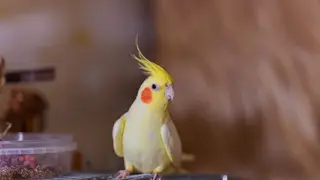
A recent case study reveals that seemingly routine interactions with birds—such as visiting zoos or cleaning droppings—can lead to severe pneumonia caused by the bacterium Chlamydia psittaci. Despite minimal respiratory symptoms, patients developed high fevers and lung abnormalities, with diagnosis only confirmed after standard antibiotics failed. The infection, known as psittacosis, spreads through inhalation of contaminated dust, highlighting the need for awareness in everyday settings.
Chlamydia psittaci, the bacterium behind psittacosis, is primarily transmitted through inhalation of dried bird droppings or respiratory secretions, especially in confined spaces like aviaries or poorly ventilated homes. While typically associated with pet birds such as parrots, it can also be carried by poultry, pigeons, and other avian species, making exposure possible even without direct contact. The disease often presents with non-specific symptoms—high fever, fatigue, and muscle pain—leading to misdiagnosis as common pneumonia, which delays appropriate treatment.
This story may raise awareness among healthcare providers and the public about underrecognized zoonotic risks linked to birds, particularly in settings like zoos, pet stores, or homes with bird owners. It could prompt more targeted diagnostic testing in cases of unexplained pneumonia, especially where bird exposure is suspected. However, widespread behavioral change is unlikely without stronger evidence of transmission routes beyond inhalation.