Proposed Underwater Data Hubs Spark Concern Over Threat to Endangered Whales
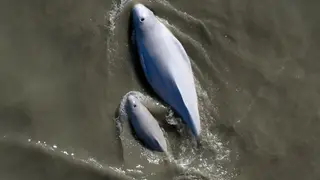
Two proposed underwater data centers in U.S. coastal regions—Cook Inlet and the Gulf of Maine—could disrupt critical habitats for endangered whale populations. While ocean water offers a natural cooling solution for energy-intensive data infrastructure, the projects raise ecological concerns due to noise, physical disturbance, and potential stress on sensitive marine life. Experts warn that large-scale subsea installations may have lasting impacts on whale behavior and survival.
The proposed underwater data centers in Cook Inlet and the Gulf of Maine are designed to leverage tidal energy for power and ocean water for cooling, reducing reliance on freshwater and fossil fuels. Each site would feature hundreds of submerged data pods powered by tidal turbines, with the Cook Inlet project spanning over 1,650 acres—far larger than existing subsea facilities in China and Scotland. These installations would operate continuously, generating low-frequency noise from turbines and cooling systems, which could interfere with whale communication and navigation.
The projects could intensify existing stressors on endangered whale populations, potentially disrupting feeding, mating, and migration patterns. If implemented, they may set a precedent for large-scale ocean-based infrastructure, raising questions about balancing technological innovation with marine conservation. Communities reliant on healthy marine ecosystems—such as fisheries and coastal tourism—may be affected, while data infrastructure demands continue to grow.