Scientists Capture Molecular Invasion of Red Blood Cells by Malaria Parasite
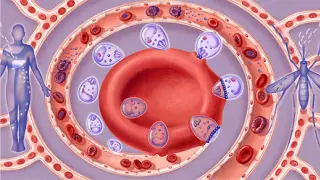
Using advanced imaging techniques, researchers have observed in real time how the malaria parasite Plasmodium creates a temporary molecular portal to invade human red blood cells. The process involves the parasite deploying specific proteins that form a transient ring structure, allowing it to slip in undetected before sealing the entry point behind it. This breakthrough reveals critical details of the parasite's infection mechanism, offering new targets for drug development.
The moving junction, a transient ring structure formed by Plasmodium proteins, enables the parasite to breach the red blood cell membrane without triggering immune detection. This molecular portal, previously invisible due to its rapid formation and dissolution, was captured using advanced cryo-electron microscopy in Ho’s lab. The study reveals that the parasite actively remodels the host membrane, using specific proteins to create a gasket-like seal that closes behind it, ensuring stealthy entry.
This discovery could accelerate the development of targeted antimalarial drugs that disrupt the moving junction, potentially reducing transmission and treatment resistance. If successful, such therapies may improve outcomes in high-burden regions, particularly among children and pregnant individuals most vulnerable to severe malaria. The approach may also inform strategies against other intracellular parasites that use similar invasion mechanisms.