Minneapolis Proposes Mandatory Human Monitors for Autonomous Vehicles
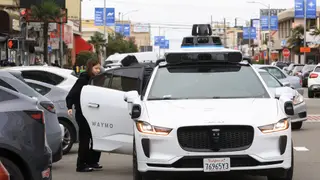
Four Minneapolis city councilors have proposed an ordinance requiring self-driving cars to have licensed human safety monitors with access to controls, paid at least minimum wage. The measure, which would take effect next October, is a response to public concerns about safety and job displacement. Waymo, which is testing in the city, calls it a de facto ban on autonomous vehicles.
The proposed ordinance stands out as a first-of-its-kind municipal action, as no other U.S. city has enacted such a requirement. While 25 states have considered over 65 bills on self-driving tech, Minnesota currently lacks state-level rules. Mayor Frey has not backed the measure, preferring to follow state guidance on robotaxi expansion.
Waymo's local testing involves fewer than ten vehicles, all with human drivers, but the company operates roughly 4,000 driverless cars across 15 cities. Industry projections suggest robotaxis could capture 8% of the U.S. rideshare market by 2030, yet public discomfort remains high—71% of Americans are uneasy riding in them. Notably, an IIHS study found Waymo vehicles have lower crash involvement than human-driven cars, countering some safety arguments.
This measure could set a precedent for other cities grappling with automation's labor and safety trade-offs. If enacted, it may slow robotaxi deployment, preserving some gig jobs but potentially delaying safety benefits shown in crash data. Public trust, already fragile, could be shaped by such local rules. Rideshare drivers and passengers are most directly affected, while the broader tech industry may face fragmented regulations, influencing investment and innovation in autonomous mobility.