Neura bets multimodal sensing can improve robot perception
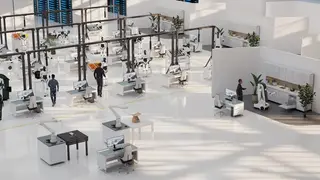
Neura has introduced a foundation model that uses visual, tactile, and audio inputs to help robots perceive their surroundings better. The company may struggle to gather enough real-world data to train the system effectively.
Neura’s announcement places it among robotics developers exploring foundation models that combine several sensing channels rather than relying on vision alone. The premise is that sight, touch, and sound together can give machines a richer picture of their environment. Yet the approach depends on training data that reflects real conditions, and the summary notes that acquiring enough of that data may be difficult. That tension—ambitious perception goals versus scarce real-world examples—frames the company’s challenge.
If Neura’s approach works, better robot perception could make automated systems safer and more capable in physical environments, affecting workers who share spaces with robots and businesses weighing deployment. But data constraints may slow progress, limiting near-term benefits. The broader public could see gradual changes in how robots handle everyday tasks, though the outcome depends on whether training data proves sufficient.