Integrated Actuator Design Simplifies Robotics Engineering, Harmonic Drive to Demonstrate at RoboBusiness
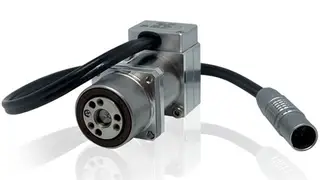
Harmonic Drive will present a technical session at RoboBusiness 2026 exploring how integrated actuators—which combine gearheads, motors, drives, and sensors into unified units—can streamline robot design and development. The presentation will compare integrated versus component-based architectures, highlighting benefits such as reduced wiring complexity, faster commissioning, and shorter time-to-market. Engineers will receive guidance on selecting motion solutions tailored to specific application requirements and system constraints.
Harmonic Drive's presentation addresses a fundamental engineering challenge: designing efficient robotic systems requires careful architectural choices between buying pre-assembled motion units versus assembling separate components. The company's integrated actuator approach packages multiple functional elements—motors, gearboxes, control electronics, and measurement devices—into single units. This bundled strategy potentially reduces the physical connections needed between parts, speeds up the setup and testing phases that follow assembly, and helps manufacturers reach production deployment sooner.
Marcel Almonte brings direct experience across the motion control industry, having worked in quality assurance at a medical device manufacturer, field troubleshooting at a robotics firm, and custom motion sales before joining Harmonic Drive. His technical background in electro-mechanical engineering positions him to translate complex integration decisions into practical guidance for the conference audience.
This development could influence how robotics teams allocate engineering resources and manage project timelines. Manufacturers pursuing integrated actuator designs may realize labor savings during system assembly and commissioning phases, potentially lowering overall development costs. Conversely, companies prioritizing maximum flexibility or highly customized applications might find component-based approaches more suitable. The accessibility of this guidance at a major industry conference may gradually shift design preferences across manufacturing, logistics, and other sectors employing commercial robotics.