Why Purpose-Built Robots May Outperform Humanoid Machines in Factory Automation
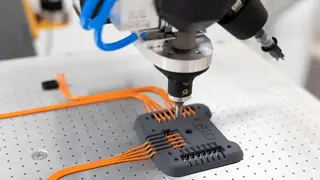
The article examines how humanoid robot marketing claims often exceed actual capabilities, while specialized machines purpose-built for specific manufacturing tasks remain underappreciated alternatives. It discusses the gap between promotional narratives around humanoids and their practical deployment challenges in industrial settings. The piece also addresses strategies for Western manufacturers to accelerate automation adoption on factory floors.
The industrial automation sector faces a credibility challenge as humanoid robots generate substantial media attention and investor interest despite limited real-world manufacturing applications. These general-purpose machines often struggle with the precision, speed, and reliability demands of actual production environments, where specialized equipment has been refined over decades to handle specific workflows efficiently.
Western manufacturers considering automation investments may benefit from reassessing their options beyond high-profile humanoid technologies. Purpose-built machinery designed for particular tasks—whether assembly, material handling, or quality control—typically delivers faster implementation timelines, lower integration costs, and more predictable performance outcomes than versatile platforms still in development.
This story may influence capital allocation decisions across manufacturing sectors, potentially redirecting investment toward proven specialized automation rather than experimental humanoid platforms. Factory operators and procurement teams could gain clarity on realistic automation pathways, while investors might recalibrate expectations around humanoid commercialization timelines. The framing could affect how Western industrial competitiveness is perceived relative to competitors already deploying mature automation solutions.