Startup deploys ground-based autonomous fire suppression system for community protection
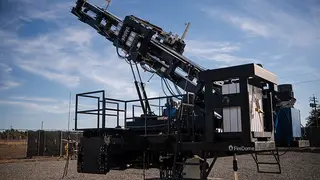
FireDome, an Israeli startup, has developed an autonomous ground-based launcher system that deploys water and fire retardant to protect communities and infrastructure from wildfires before firefighters can respond. The system operates as a fully autonomous installation that can launch projectiles up to 1,000 feet to create firebreaks, coat structures, and suppress ember-driven spot fires. Founded by former climate-tech entrepreneur Gadi Benjamini and CTO Dr. Adi Naor Pomerantz, the company addresses a gap in wildfire response by shifting focus from detection alone to autonomous action.
FireDome emerged from a 2024 climate technology conference in Israel where CEO Gadi Benjamini and CTO Dr. Adi Naor Pomerantz identified a critical gap in wildfire response infrastructure. While existing technologies focused primarily on early detection, they recognized that communities needed autonomous systems capable of taking immediate protective action before firefighters could arrive on scene. This insight drove their pivot toward ground-based defense rather than pursuing impractical wildland-embedded solutions.
The company's launcher system represents a focused approach to infrastructure protection in the wildland-urban interface, the increasingly populated boundary between developed areas and natural landscapes. By concentrating on defending specific properties and communities rather than attempting to suppress fires across vast territories, FireDome addresses both the physical threat to structures and the financial crisis facing residents in fire-prone regions, where insurance availability and coverage increasingly depend on demonstrated fire safety measures.
FireDome's autonomous suppression system could significantly alter wildfire response economics and outcomes in high-risk communities, particularly for property owners facing insurance accessibility challenges. The technology may reduce response time delays and distribute firefighting resources more efficiently across multiple threatened areas simultaneously. However, widespread adoption could depend on regulatory approval, integration with existing emergency services, cost barriers to installation, and demonstration of consistent effectiveness in real-world conditions. Communities may also face questions about system maintenance and cybersecurity vulnerabilities in critical infrastructure deployment.