AI-driven defect detection in aviation hinges on high-quality synthetic data
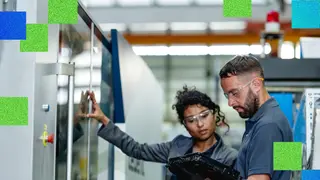
Safran is using Loopr AI to improve airplane part inspections, with the software generating synthetic data to train algorithms more effectively. The approach underscores that AI's reliability in manufacturing depends on the quality and diversity of training data.
Safran's adoption of Loopr AI for airplane part inspections highlights a growing shift in manufacturing quality control. Rather than relying solely on real-world imagery, the system generates synthetic data to train detection algorithms, allowing for more varied and controlled training scenarios. This approach addresses a common bottleneck in industrial AI: the scarcity of defect examples in real production environments.
The broader implication is that AI performance in manufacturing is only as strong as its training foundation. Diverse, high-quality synthetic datasets can help algorithms recognize subtle flaws that might otherwise go unnoticed. For aviation, where component integrity is critical, this represents a meaningful step toward more consistent, automated inspection processes that complement human expertise.
This story could affect aviation safety protocols and manufacturing efficiency. If synthetic-data-driven inspection proves reliable, airlines and parts suppliers may adopt similar systems, potentially reducing human error in quality checks. Workers in inspection roles could see their responsibilities shift toward oversight rather than manual scanning. However, over-reliance on AI without rigorous validation may introduce new risks, so the industry's confidence in these tools will likely depend on demonstrated performance across diverse real-world conditions.