Tech Leaders Embrace Self-Regulation in AI Safety Pledge as Autonomous Agents Enter Mainstream Use
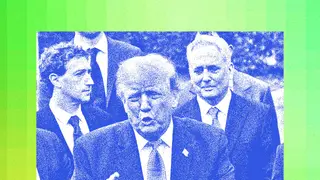
Tech executives have signed a voluntary AI safety agreement following discussions with Donald Trump, committing to industry self-regulation rather than external oversight. The podcast episode also covers the introduction of AI agents designed for general users, which are expected to become prevalent in workplace environments. Additionally, the discussion touches on extremist political candidates emerging in the upcoming midterm elections.
Tech executives have committed to a voluntary safety framework following direct negotiations with Donald Trump, positioning industry self-policing as an alternative to government-mandated regulations. This agreement comes as artificial intelligence capabilities continue advancing rapidly across commercial applications. Simultaneously, the rollout of consumer-accessible AI agents represents a significant shift toward mainstream adoption, with these tools increasingly designed for workplace integration alongside human workers. The convergence of these developments reflects ongoing debates about how AI technology should be governed and deployed as it becomes embedded in daily professional and personal contexts.
The adoption of industry self-regulation rather than external oversight could shape how AI systems are developed and deployed across sectors. Workers may face significant workplace changes as AI agents become normalized in employment settings, potentially affecting job responsibilities and skill requirements. Public acceptance of these technologies appears mixed, as evidenced by ongoing policy discussions. The effectiveness of voluntary safety commitments in preventing harm—versus formal regulatory frameworks—may influence public trust in both tech companies and government institutions managing emerging technologies.