Apple Introduces Impersonation Risk Detection in iOS 27 to Combat Social Engineering Attacks
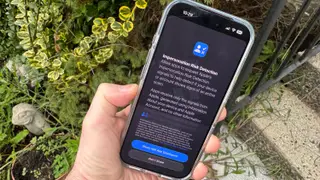
Apple has rolled out a new security feature called Impersonation Risk Detection in iOS 27 and iPadOS 27 that analyzes user account data and device information to identify potential scam activity before sensitive actions are completed. The feature operates at three risk levels—Unknown, Medium, and High—alerting users and supporting apps when suspicious behavior is detected during payments, password changes, or account sharing. This tool is designed to protect users from social engineering scams that bypass traditional security measures like two-factor authentication.
Apple's new security capability operates by examining account patterns and device signals during vulnerable transactions—such as financial transfers, credential modifications, or account access grants—without collecting the underlying data itself. The system generates three graduated threat assessments that apps can act upon independently, ranging from unconfirmed activity to confirmed suspicious patterns. This approach preserves user privacy by preventing Apple from accessing message content or personal files while still enabling protective interventions at the application level.
The feature remains inactive by default, requiring users to explicitly grant permission through privacy settings and potentially requiring a 24-hour initialization period before becoming operational. Users can monitor which applications have requested risk assessments and review the specific actions that triggered security evaluations, maintaining visibility into how the system functions across their installed apps.
This capability could reduce successful social engineering attacks by introducing friction at critical decision moments, potentially affecting millions of Apple users who enable the feature. However, its effectiveness may depend heavily on app developer adoption and implementation choices, as Apple itself does not enforce protective actions. The approach could shift scam tactics toward platforms with lower participation rates, and its privacy-preserving design might influence broader industry standards for threat detection without comprehensive data collection.