Infections Responsible for Roughly 12 Percent of Global Cancer Cases, Many Preventable Through Vaccination
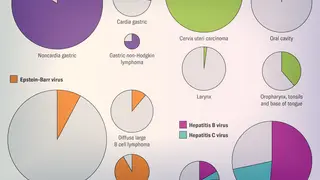
A comprehensive analysis published in Lancet Oncology found that infections caused approximately 2.3 million cancer diagnoses worldwide in 2024, with Helicobacter pylori and human papillomavirus accounting for over 1.5 million cases. Hepatitis B and Epstein-Barr virus were linked to 360,000 and 260,000 cases respectively, with researchers noting these infection-related cancers are largely preventable through vaccines and medical treatments. Geographic disparities exist, with sub-Saharan Africa experiencing higher rates of infection-associated cancers partly due to limited access to screening programs.
The Lancet Oncology analysis represents an update to earlier epidemiological work, incorporating newly identified disease associations uncovered since 2018. Scientists have recently established connections between Epstein-Barr virus and certain stomach cancers alongside previously known links to nasopharyngeal malignancies and lymphomas. This expanded understanding of viral oncogenesis underscores how evolving medical knowledge shapes cancer prevention strategies and resource allocation decisions globally.
Geographic inequality significantly influences infection-related cancer burden worldwide. Regions with limited healthcare infrastructure, particularly sub-Saharan Africa, experience disproportionately high rates partly due to insufficient investment in screening and prevention programs. The disparity highlights how access to cervical cancer screening, hepatitis testing, and vaccination campaigns varies substantially between developed and resource-constrained settings, directly affecting population health outcomes.
These findings could influence public health priorities by demonstrating that vaccination and screening represent cost-effective cancer prevention strategies. Policymakers may redirect resources toward HPV, hepatitis B, and hepatitis C programs, particularly in underserved regions. The research may accelerate vaccine rollout initiatives and strengthen arguments for expanded screening access in developing nations. Healthcare systems could face pressure to integrate infection screening into routine care, potentially affecting both disease surveillance infrastructure and individual medical decision-making regarding preventive interventions.