Prominent AI Researcher Rejects Existential Risk Narrative as Industry Marketing Tactic
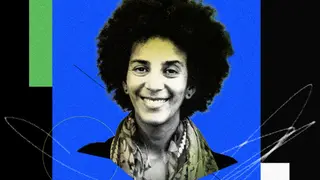
Timnit Gebru, a vocal AI critic and founder of an institute investigating technology harms, disputes claims that artificial intelligence poses an existential threat to humanity, characterizing such warnings as self-serving narratives promoted by industry founders. Gebru argues that doomsday predictions about AI distract from substantive discussions about actual harms caused by the technology, including bias and discriminatory outcomes. Her stance has created an unusual alignment with critics across the political spectrum who question the motivations behind apocalyptic AI messaging.
Gebru's critique centers on what she views as a coordinated messaging campaign rather than genuine safety concerns. She traces the existential risk narrative back over a decade, pointing to recurring apocalyptic warnings from prominent figures like Elon Musk and Peter Thiel. Gebru highlights interconnections within the ecosystem promoting these narratives, including funding relationships between billionaire investors and institutes that amplify existential threat warnings, suggesting financial incentives may drive the discourse.
Her alternative framing emphasizes documented, present-day harms from AI systems—algorithmic bias, discriminatory outcomes, and the technology's tendency to replicate biases in training data. Gebru argues these concrete problems deserve urgent attention and policy focus, but are overshadowed when public discourse centers on speculative future scenarios about machine consciousness and human extinction risks.
This debate may shape how policymakers, technologists, and the public prioritize AI governance. If existential risk narratives gain credence, regulatory efforts might focus on speculative safety concerns rather than addressing demonstrable discrimination and bias affecting vulnerable populations today. Conversely, dismissing long-term risks could leave emerging dangers unexamined. The disagreement reflects deeper questions about whose expertise and risk assessments should guide technology policy, potentially influencing both regulatory direction and public trust in AI institutions.