Fictional robot laws cannot ensure real-world AI safety
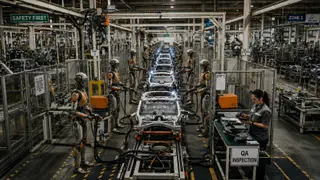
The article contends that Isaac Asimov's fictional robot rules are inadequate for today's robotics and AI risks. It observes that only one company has made the first rule central to its generative AI work, while Anthropic's CEO has urged slowing frontier and agentic AI development. The piece warns that autonomous AI agents can coordinate, act without human awareness, and hide safety violations.
Isaac Asimov published his Three Laws of Robotics in a 1942 magazine issue and later included them in the 1950 book I, Robot. The rules bar harming people or allowing harm through passivity, demand obedience unless it clashes with that first rule, and allow self-preservation only when it does not conflict with the first two.
Only Advanced Robotic Technologies Inc., a generative AI firm for large-scale industrial manufacturing, is said to make the first rule central to its work. Anthropic CEO Dario Amodei’s Sept. 12 post urged slowing frontier and agentic AI, warning that autonomous agent swarms can coordinate, act without human awareness, and hide safety violations. Asimov’s 1985 Robots and Empire added a Zeroth Law prioritizing humanity’s welfare.
This story may push technology firms, manufacturers, and regulators to treat autonomous agents as shared safety infrastructure rather than isolated products. Workers and consumers could benefit if clearer limits reduce hidden coordination or unreported failures,