Pentagon seeks $30M for AI lie detection program
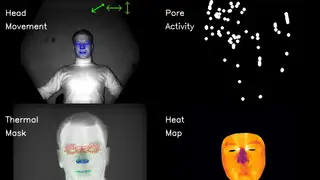
The Department of Defense is requesting $30.3 million over five years for a program called Polygraph+ or Polygraph Next. It would apply AI and machine learning to polygraph scoring and use standoff sensing to collect physiological readings without contact. Experts warn that AI-enabled lie detection may not improve reliability and could combine the flaws of both technologies.
The request seeks $30.3 million over five years for Polygraph+ or Polygraph Next. The Defense Counterintelligence and Security Agency would run it, using AI and machine learning for scoring plus standoff sensing to gather physiological data without contact. Stated goals include modernizing credibility assessment, vetting applicants, and insider threat detection; Congress has not approved it.
Earlier Defense Innovation Unit work selected Presage Technologies and Altec Research to prototype deception-detection tools. Presage reportedly used ordinary cameras to estimate pulse and respiration; Altec explored contact-free sensing of head motion, facial temperature, and pore activity. Polygraphs themselves date to the 1920s and rely on cardiovascular, respiratory, and sweat signals.
If deployed, AI-assisted lie detection could affect federal employees, applicants, and staff undergoing security vetting, potentially increasing pressure during investigations. It may also shape expectations for private-sector screening and policing. Because polygraphs are already contested and often inadmissible, adding machine learning might not resolve reliability concerns and could create false confidence. Broader public trust may suffer if decisions rest on opaque or error-prone assessments.