OpenAI and Anthropic Models Help Crack Long-Unsolved Enigma Messages
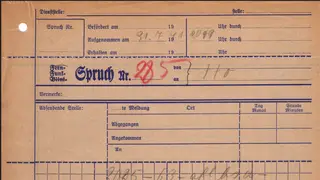
Two cryptanalysts used OpenAI's Astra and Anthropic's Claude Opus 5 to decode Enigma messages that had remained unbroken for years. Carter Leffen let Astra research archives and build an Enigma simulator, recovering a message that had resisted solution since 2005; Frode Weierud later verified it. Jack Willis used Claude Opus 5 with more guidance to break a separate message by relying on a known officer's name signature.
Turing’s wartime Enigma work and Bombe aided Allied codebreaking, but some archived messages remained unsolved, often due to transcription or operator errors. Developer Carter Leffen asked OpenAI’s Astra to find and decode one. It researched archives, built an Enigma simulator, and recovered text unsolved since 2005. Frode Weierud, who maintains Crypto Cellar, later verified it.
Astra’s logs mentioned messages in a private collection outside Weierud’s database; he is unsure if it accessed them, speculating they were shared online or came from German public archives. Jack Willis separately used Anthropic’s Claude Opus 5, with more guidance, to break another message via a known officer’s name signature. Seven Enigma messages remain unbroken, plus one with known plaintext but unbroken code.
This development may encourage historians, archivists, and amateur cryptanalysts to use AI agents for difficult decoding tasks, potentially speeding research that once took weeks or months. It could also prompt security specialists to consider how such models might assist with modern cryptographic analysis, though the Enigma cases involved old, error-prone messages and substantial human guidance. Museums and archives may face new questions about access and attribution if AI systems locate or infer material beyond public databases.