CNH argues robotics can ease farm labor and cost strains
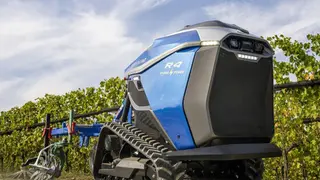
CNH Industrial's senior robotics manager says farmers are grappling with higher input costs, lower crop prices, and unpredictable weather, making labor shortages and efficiency gains critical. He describes a shift toward agentic systems that can sense, decide, and execute entire operations, enabled by advances in sensing, machine vision, and AI. The company's FieldOps platform exemplifies this trend by offering real-time monitoring and remote viewing for farm management.
CNH's FieldOps platform, offered through its New Holland subsidiary, links multiple machines so operators can oversee broader operations rather than single tasks. The company gathers machine, field, and agronomic data season after season, using it to refine individual equipment performance and suggest operational improvements. Ferrari notes that connecting third-party data sources—soil, weather, and crop information—could eventually support AI-driven recommendations on planting, spraying, and harvest timing.
The R4 robot targets vineyard, orchard, and specialty crop growers specifically. Ferrari emphasizes that farmers adopt technology only when it demonstrably improves year-over-year value, not for novelty. Labor availability remains the most pressing pain point, particularly during critical windows like planting, spraying, and harvesting.
This shift toward agentic farming systems could reshape rural labor markets, potentially reducing demand for seasonal workers while raising skill requirements for farm operators. Smaller growers may struggle to afford advanced robotics and data platforms, possibly widening productivity gaps between large and small operations. If data-driven recommendations prove reliable, farmers could gain resilience against volatile prices and weather, but dependence on proprietary systems and connectivity may introduce new vulnerabilities. Society could benefit from more stable food production, though the transition's costs and access questions remain significant.