RoboBusiness panel to tackle outdoor robot reliability engineering
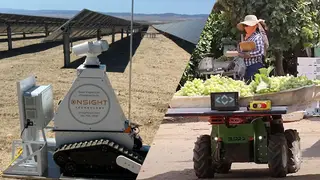
A RoboBusiness 2026 session on October 21 will bring together executives from WiBotic, Burro, and Nextpower to discuss how to design outdoor robots that withstand harsh environments. The panel will cover environmental hardening, power and charging infrastructure, autonomous operations, and fleet maintenance, drawing on real-world deployment lessons. The goal is to help engineers and operators move outdoor robots from pilots to dependable production use across agriculture, construction, mining, and other sectors.
The October 21 panel brings together leaders from WiBotic, Burro, and Nextpower, each contributing distinct expertise in power delivery, autonomous navigation, and field operations. Their combined experience spans agriculture, construction, mining, and infrastructure inspection, where temperature swings, moisture ingress, and continuous mechanical stress create failure modes that rarely surface in laboratory settings.
The discussion centers on practical engineering trade-offs: environmental hardening, charging infrastructure, and fleet maintenance strategies that determine whether robots achieve dependable production uptime. Attendees will examine how design choices directly influence operational efficiency, service costs, and total cost of ownership, with the goal of helping teams transition from pilot projects to sustained field deployments across demanding sectors.
This session reflects a broader industry shift as robotics moves from controlled indoor settings into unpredictable outdoor environments. If outdoor robots achieve greater reliability, sectors like agriculture, construction, and mining could see reduced labor costs and improved worker safety, though widespread adoption may also raise questions about workforce displacement and the capital investment required for smaller operators. The panel's emphasis on total cost of ownership could help organizations make more informed deployment decisions.