Bioinspired Robotics Pioneer Pushes for Eco-Conscious Machines
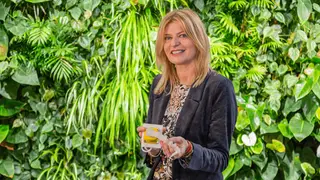
Barbara Mazzolai, originally trained as a biologist, became an early innovator in bioinspired robotics after shifting to engineering. Her creations draw on the problem-solving strategies of organisms like octopuses, plant roots, and seeds. She now aims to ensure that the robots she develops also benefit the natural environment, not just mimic it.
Mazzolai’s unusual path from biology into engineering gave her a distinctive lens for robotics, one that looks to living systems for mechanical solutions. Her work has explored how octopus flexibility, root growth patterns, and seed dispersal mechanisms can inform machine design, yielding robots that move and adapt in unconventional ways.
Her current focus adds an environmental dimension to that mission. Beyond simply imitating nature, she now seeks to build machines that actively support ecological health, suggesting a future where robotic tools are judged not only by function but by their positive footprint on the ecosystems they observe or interact with.
This approach could reshape how robots are deployed in agriculture, conservation, and environmental monitoring, potentially offering tools that restore habitats rather than merely inspect them. Researchers and industries may adopt bioinspired designs as a template for sustainable engineering, influencing funding priorities and product development. Society could benefit from cleaner, more adaptive technologies, though widespread adoption may depend on cost and scalability.