Autonomous race cars make first road-course overtakes at Laguna Seca
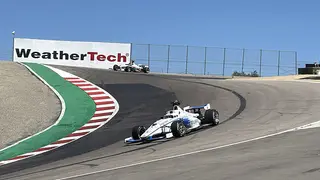
The Indy Autonomous Challenge held its latest university competition at Laguna Seca Raceway on September 3, featuring the first-ever overtaking maneuvers by autonomous vehicles on a road course. Unimore Racing from the University of Modena and Reggio Emilia defeated Purdue AI Racing in the final heat, with nine teams from three continents competing. Teams qualified through a simulated race hosted by D-Space, and all AI driving decisions were made onboard during the heats, with human crews only monitoring and ready to intervene via e-stop.
The event marked a departure from prior IAC races, which had used only oval tracks since 2022. The road-course format forced AI to navigate complex corners like the corkscrew, with overtaking cars given two laps to pass before swapping roles and increasing power limits. All vehicles shared identical hardware—Dallara chassis, Honda engines, Luminar sensors, NVIDIA GPUs—making the AI software the sole differentiator. Qualification happened months earlier in a D-Space digital twin, a first for the series, to validate safety before physical racing.
Teams consist of Ph.D. and master's students, and the program has spawned startups like Aidoptation, driveblocks, and Autonoma AI. This year's simulation-based qualification underscores a broader industry shift toward virtual testing of safety-critical autonomous systems before real-world deployment.
The success of autonomous overtaking on a complex road course could accelerate development of self-driving technology for public highways, where passing maneuvers remain a significant challenge. The simulation-based qualification process may also influence how regulators and manufacturers validate safety-critical AI, potentially reducing reliance on costly physical testing. This could benefit consumers through faster deployment of safer autonomous vehicles, while also shaping the competitive landscape for automotive software companies and university research programs.