FDA approval opens U.S. market for Neptune's robotic colonoscopy platform
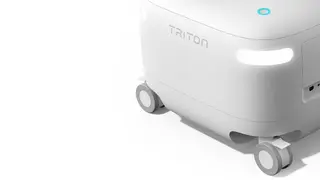
Neptune Medical received U.S. regulatory clearance for its Triton 1 System, a robotic endoscopy device designed for colon diagnostics and therapeutic procedures. The company claims the system improves navigation, stability, and control throughout the colon, potentially aiding in the detection and removal of precancerous lesions. Triton is intended to support standard colonoscopies as well as more complex procedures like endoscopic mucosal resections.
Neptune Medical’s Triton 1 System received FDA clearance after a first-in-human trial showing 100% cecal intubation and a 54.2% adenoma detection rate, well above the 35% industry benchmark. The robotic platform also reduced physician workload by 67% on a standard ergonomic scale, with no patient repositioning or conversions to manual procedures. The company, which raised $97 million in Series D funding in 2024, plans to use this generation to gather clinical feedback and refine its next platform. Triton targets both routine screening and advanced removals like endoscopic mucosal resections, addressing a leading cause of cancer death.
This clearance could broaden access to more consistent colonoscopy outcomes, particularly for younger adults facing rising colorectal cancer rates. By improving lesion detection and reducing physical strain on gastroenterologists, the system may encourage more thorough screenings and potentially lower missed-cancer risks. However, adoption will depend on cost, training, and integration into existing endoscopy suites, so its societal benefit will likely emerge gradually as clinical evidence accumulates and workflows adapt.