Leftists Clash Over Whether to Prioritize AI's Existential Risks or Current Harms
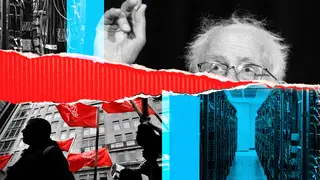
A political rift is emerging among American leftists over how to approach AI regulation, with some arguing that focusing on hypothetical existential threats distracts from real, present-day harms like labor exploitation. Others, including Senator Bernie Sanders, contend that both immediate and future dangers can be addressed simultaneously. The debate reflects deeper distrust of tech companies' self-serving narratives about AI's power.
The NYC DSA’s Tech Action Working Group framed AI alarmism and hype as two sides of the same coin, arguing both distract from present-day harms like labor exploitation. Their Instagram post drew over 25,000 likes but also sharp criticism, reflecting a broader leftist divide. Senator Bernie Sanders has become a key figure in elevating existential AI risks, even allying with Steve Bannon, while his data center moratorium bill tied construction pauses to protecting “the future of humanity.” Working Families Party candidates, several backed by Sanders, have echoed this framing in recent statements.
This rift highlights differing trust in tech companies’ self-serving narratives. Critics like Alan Deng argue corporations cannot be trusted to craft their own regulations, while strategists like Alexander McCoy insist frontier AI capabilities are real and not hype. The debate is not merely theoretical—it shapes legislative priorities, from data center opposition to federal oversight proposals, and reveals how the left weighs immediate, tangible harms against speculative, civilization-scale threats.
This internal leftist debate could shape future AI policy messaging and coalition-building. If existential-risk framing dominates, it may align progressives with unlikely allies and shift regulatory focus toward speculative scenarios, potentially delaying concrete protections for workers and communities. Conversely, prioritizing current harms could yield faster, more tangible safeguards but risk underestimating long-term dangers. The outcome may influence public trust in both tech companies and regulators, as voters observe how competing narratives affect actual legislation and enforcement.