Hepatitis B Birth Dose Vaccination Rates Fall Sharply in U.S., Threatening Infant Protection
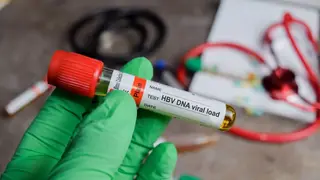
A new study analyzing over 1.3 million infant health records reveals that the proportion of U.S. newborns receiving the hepatitis B vaccine within 24 hours of birth dropped from 80% in 2022 to 65.6% in 2026. Even among infants born to mothers known to be infected with hepatitis B, vaccination rates declined from 98% to nearly 94%, raising concerns about preventable liver disease and cancer. Researchers estimate up to 360,000 babies annually may now miss the critical birth dose, including around 640 born to undiagnosed infected mothers.
A new analysis of over 1.3 million infant health records reveals a sharp decline in hepatitis B birth dose vaccination rates in the United States, dropping from 80% in 2022 to 65.6% by 2026. This trend holds even among infants born to mothers known to be infected with hepatitis B, where vaccination rates fell from 98% to nearly 94% over the same period. The study, conducted by Truveta and Callen-Lorde Community Health Center and published in NEJM Evidence, projects that as many as 360,000 U.S. infants annually may now miss the critical vaccine, including approximately 640 born to mothers with undiagnosed infections. This decline follows a significant policy shift in December 2025, when the CDC’s advisory panel removed the long-standing recommendation for universal birth-dose vaccination, instead advising parents to consult providers about timing, provided the mother tests negative. The study shows vaccination rates were already falling before this change, rising from 20,473 unvaccinated infants in 2018 to over 64,500 in 2025. Key figures like Nina Masters of Truveta and Demetre Daskalakis of Callen-Lorde and former CDC official have warned that the drop undermines decades of progress in preventing chronic hepatitis B, cirrhosis, and liver cancer in children. Public health experts, including Michael Osterholm, argue the decline reflects growing vaccine hesitancy and a lack of robust policy response, despite evidence showing the birth dose is vital even when maternal screening is imperfect. The future of national immunization strategy remains uncertain, with calls for evidence-based policy over political or administrative shifts.
The declining birth dose vaccination rate could significantly increase the burden of chronic hepatitis B infections among U.S. children, potentially leading to higher rates of liver disease and cancer decades later. Infants who miss the vaccine are at heightened risk of lifelong infection, particularly those born to undiagnosed mothers, which may strain pediatric and hepatology care systems. The shift in CDC guidance may have contributed to confusion among providers and parents, possibly exacerbating hesitancy, though the study shows declines predated the policy change. This situation mirrors earlier concerns around measles vaccine uptake following misinformation campaigns, where weakened public trust led to outbreaks despite available tools. The current trend may also affect health equity, as disparities in access to prenatal screening and timely vaccination could widen gaps in outcomes. If left unaddressed, rising infection rates could increase long-term healthcare costs and reduce workforce productivity. What remains unclear is whether the CDC will revise its guidance in response to this evidence or if state-level mandates will emerge to counteract the trend. The coming months may reveal whether public health institutions prioritize data over policy convenience in protecting vulnerable populations.