Meta's Muse AI Agent Now Shops for Black Friday Deals at Walmart
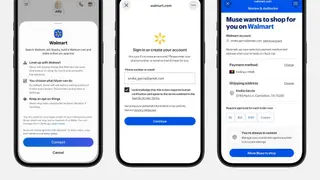
Walmart has launched a live version of its Agent Gateway, enabling Meta's Muse AI to autonomously search for and purchase Black Friday deals on its platform. The AI operates through dedicated 'Agent Profiles' within user accounts, allowing customers to set spending limits, approve purchases, and review transaction history without sharing personal data. Walmart emphasizes this is just the beginning, with more AI agents and apps expected to join the platform soon.
On November 23, 2026, Walmart launched a live version of its Agent Gateway, enabling Meta’s Muse AI agent to autonomously search for and purchase Black Friday deals on its platform. This marks the first public deployment of the Gateway, which allows AI agents to operate within user accounts via dedicated "Agent Profiles" without accessing personal data or purchase history. Users can set spending limits, approve transactions, and review purchase logs—all within their existing Walmart accounts. Muse can now identify Black Friday deals, build shopping carts, and complete purchases using saved payment methods, all while adhering to Walmart’s standard pricing and return policies. The rollout follows Walmart’s announcement just a month prior and signals a strategic shift toward embracing AI-driven shopping, contrasting with platforms like Amazon and eBay that have restricted such access.
This development builds on earlier reports of Meta’s Muse AI being tested internally, where issues such as message mix-ups and unintended app interactions were observed. Walmart’s openness to AI agents reflects a broader industry trend where retailers seek to leverage automation to enhance customer experience and drive sales during high-volume events like Black Friday. Meta aims to position Muse as a personal shopping assistant, while Walmart benefits from increased engagement and data-free interaction. The companies appear to be testing a model where AI agents act as intermediaries, reducing friction for consumers while maintaining control over transactions. What remains unclear is how other retailers will respond, whether security and privacy concerns will escalate, and how widespread this model will become beyond Walmart and Meta.
Walmart’s integration of Meta’s Muse AI could reshape how consumers interact with e-commerce, particularly during peak shopping periods. By allowing AI agents to act on users’ behalf without exposing personal data, the system may appeal to privacy-conscious shoppers while streamlining decision-making. However, this also raises questions about accountability—when an AI makes a poor purchase, who is responsible? The model may encourage broader adoption of AI shopping assistants, especially if other retailers follow Walmart’s lead. A comparable precedent is the early adoption of recommendation algorithms by Amazon, which transformed browsing behavior but also raised concerns about manipulation and filter bubbles. The long-term impact may extend beyond convenience, potentially altering retail competition and consumer expectations. If AI agents become trusted shopping partners, they could shift power from brands to platforms that host them. Retailers may need to optimize for AI visibility, not just human users. What’s next could include more sophisticated agent profiles, expanded product categories, and cross-platform compatibility. However, regulatory scrutiny around AI autonomy in financial transactions may grow, especially if misuse or errors become common. The real test will be whether consumers trust AI to make meaningful purchasing decisions without oversight.