NASA Releases Sonified Sounds of Baby Stars Forming in Nebulae
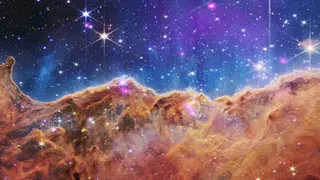
NASA has released an album of audio representations derived from multi-wavelength observations of stellar formation, using data from the Chandra X-ray Observatory. The sonifications translate X-ray, infrared, and optical data into musical tones, with high-frequency sounds representing X-rays and low drones capturing infrared emissions. The project includes four tracks featuring star-forming regions in the Carina Nebula, Messier 82, and near Orion’s belt.
On November 22, 2026, NASA unveiled a groundbreaking audio album derived from multi-wavelength observations of star-forming regions captured by the Chandra X-ray Observatory. The release features four sonified tracks representing stellar nurseries in the Carina Nebula, Messier 82, and near Orion’s belt. Each track translates data from X-ray, infrared, and optical wavelengths into sound: high-frequency tones represent X-ray emissions, while low drones correspond to infrared data, with visible light mapped to distinct musical notes. In the Carina Nebula piece, individual baby stars are rendered as unique string sounds, and the region’s towering gas structures are reflected in shifting instrumental textures. The project, led by NASA’s Chandra X-ray Center and developed in collaboration with SYSTEM Sounds (M. Russo and A. Santaguida), transforms complex astrophysical data into immersive auditory experiences. This effort builds on earlier work in data sonification, where scientific data has been converted into sound for accessibility and analysis, though this release marks the first time such a curated album has been publicly distributed as a standalone artistic and educational product. The initiative reflects NASA’s ongoing commitment to public engagement through innovative science communication, aiming to make cosmic phenomena more accessible to diverse audiences, including those with visual impairments. What remains unresolved is whether this format will inspire broader adoption in scientific publishing or education, or remain a niche outreach tool. Future developments may include interactive sonification platforms or expanded collaborations with artists and educators.
This release could significantly influence how scientific data is communicated to the public, particularly in making complex astrophysical phenomena more accessible and emotionally resonant. By transforming data into music, NASA may help bridge the gap between scientific communities and general audiences, potentially increasing interest in astronomy and STEM fields. The project may also inspire similar initiatives in other scientific domains—such as climate science or neuroscience—where data sonification could reveal patterns not easily visible in graphs. A comparable precedent is the 2016 release of sonified black hole data by NASA and the Chandra team, which garnered widespread media attention and educational use. However, unlike that earlier effort, this album is structured as a full artistic release, suggesting a shift toward treating scientific data as a creative medium. The long-term impact may depend on whether such sonifications are integrated into formal education or remain as supplemental content. Institutions like museums, planetariums, and science centers may adopt these tracks for immersive exhibits, while educators could use them to teach data literacy. What to watch for is whether this approach leads to new standards in scientific publishing or sparks collaborations between scientists and composers, potentially reshaping how research is shared and experienced.